
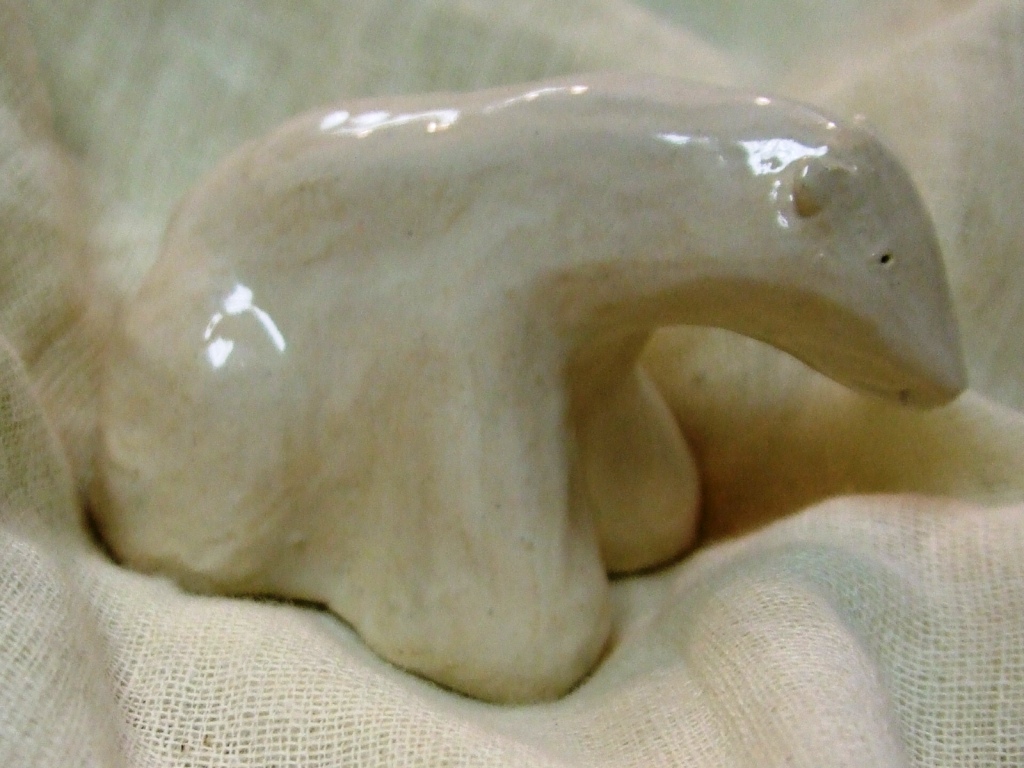
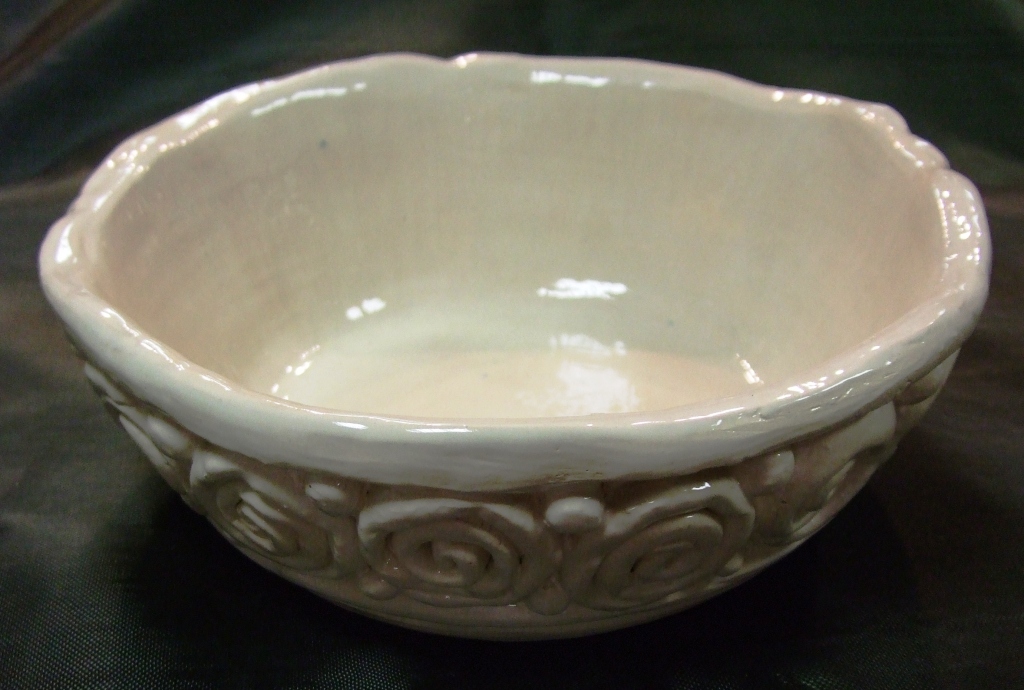
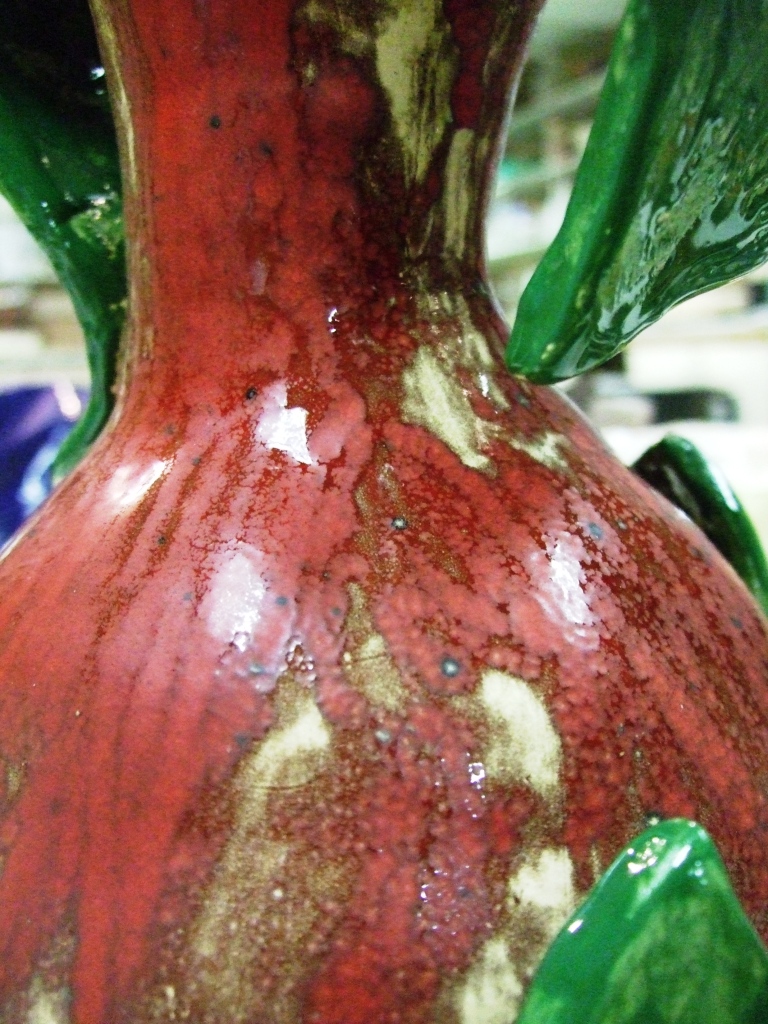
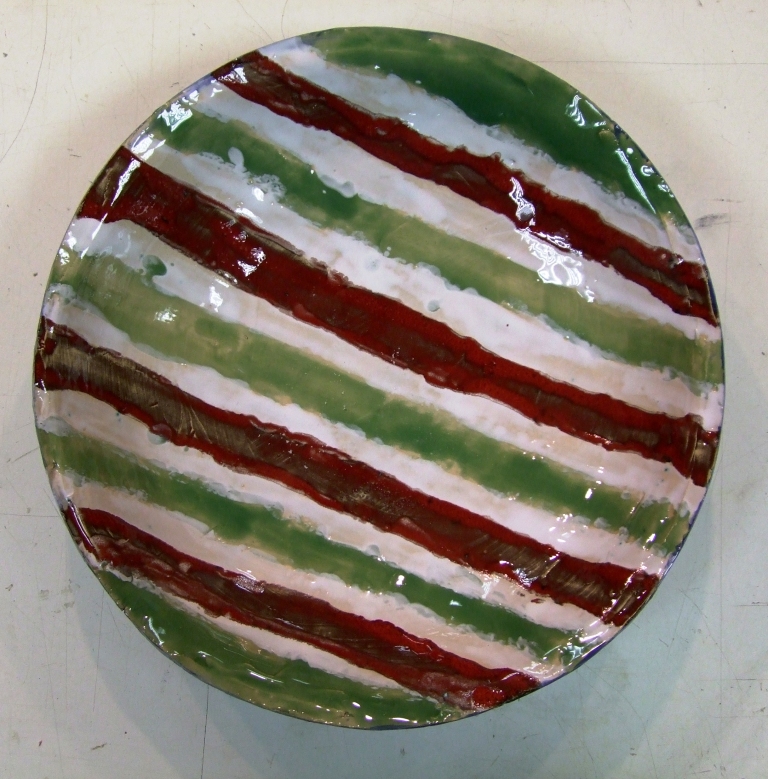
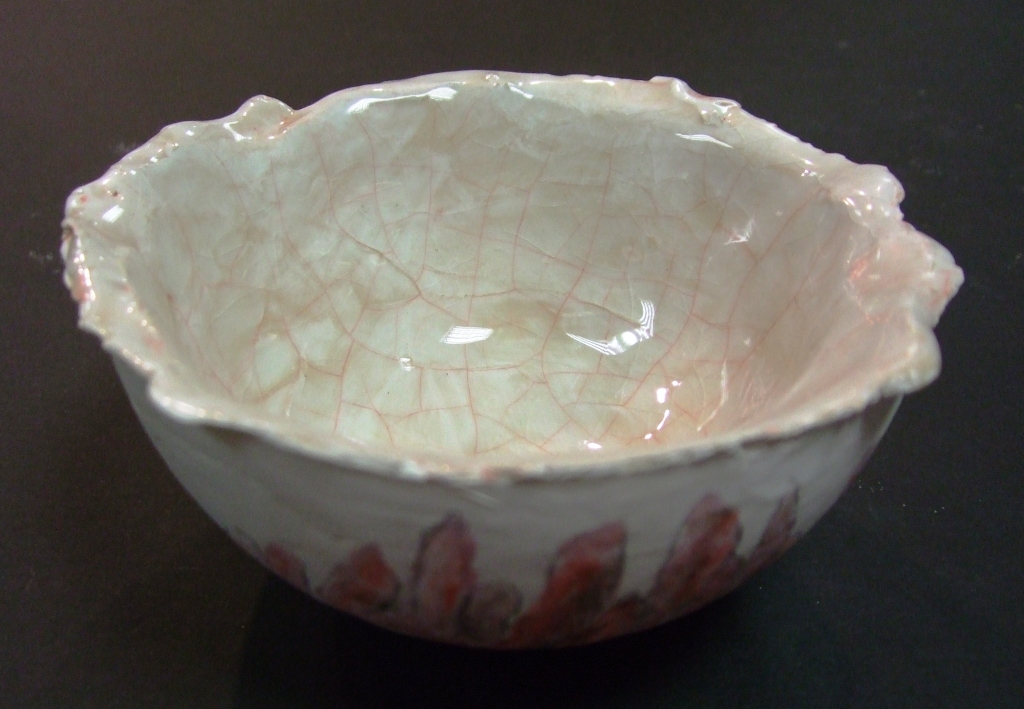
Then below there is a very dynamic crimson glaze on a hemispherical bowl with free-form edges by Harriet Bartlett, and a polar bear and coil pot by Anusha Luchmun-Roy.


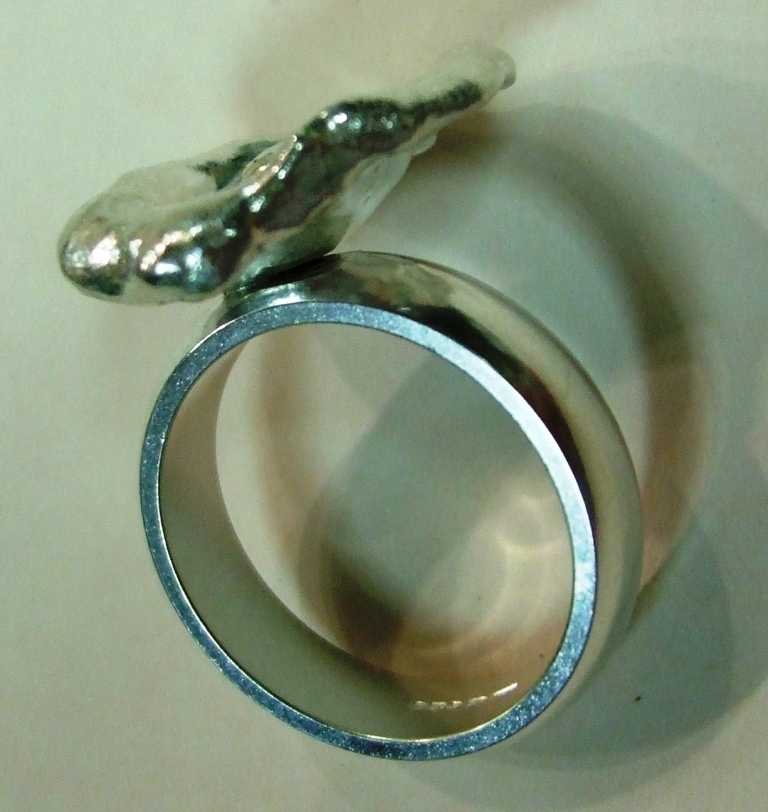

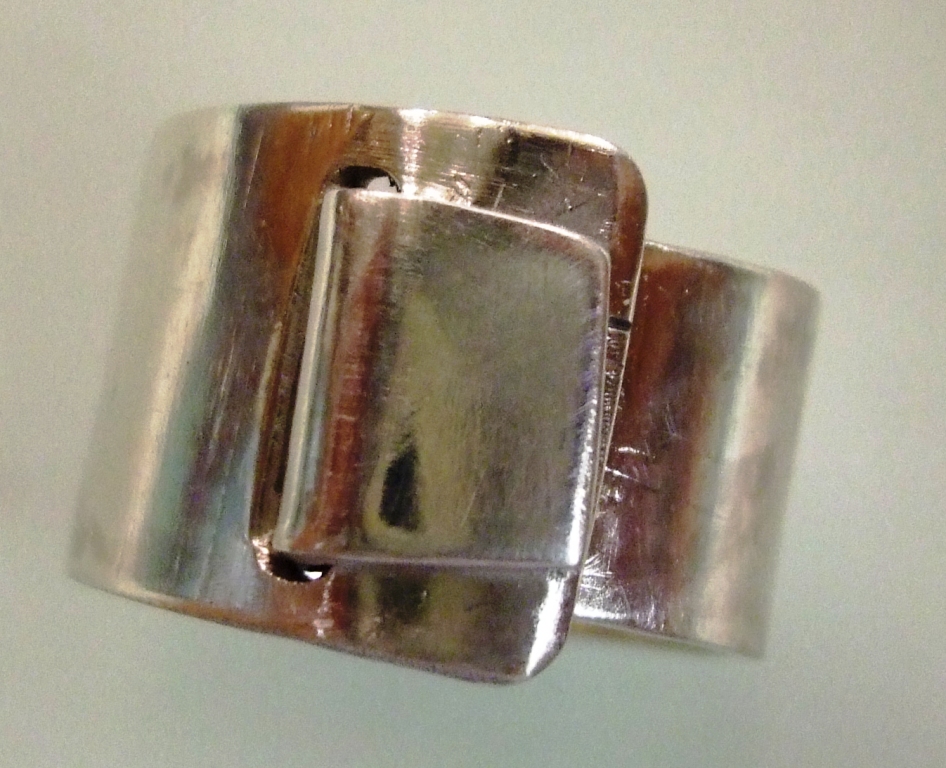



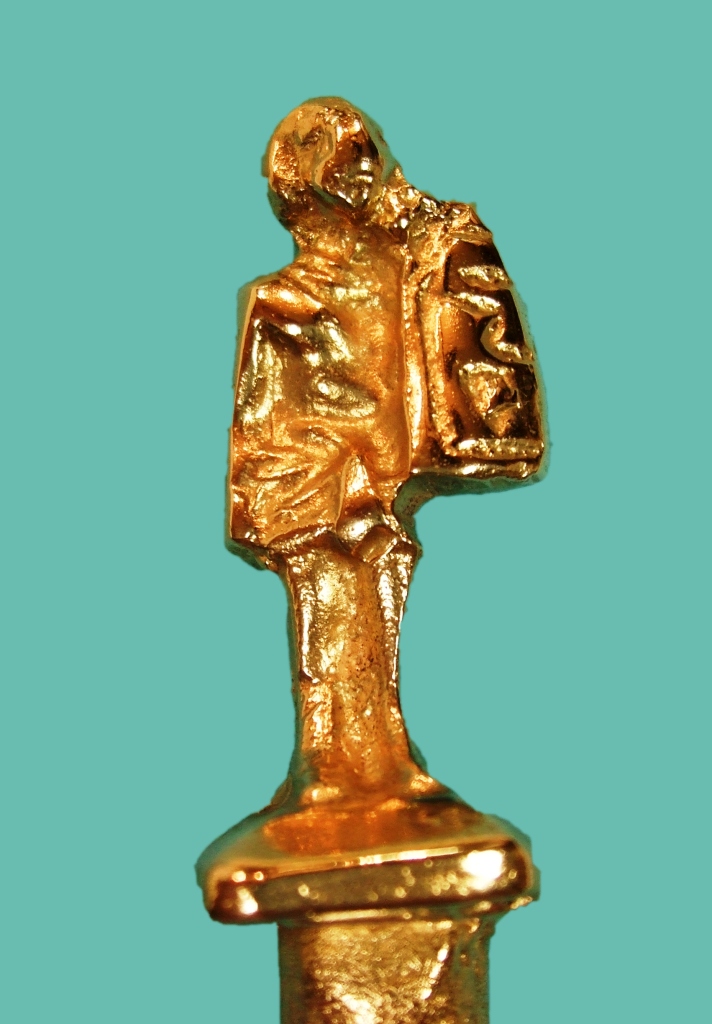
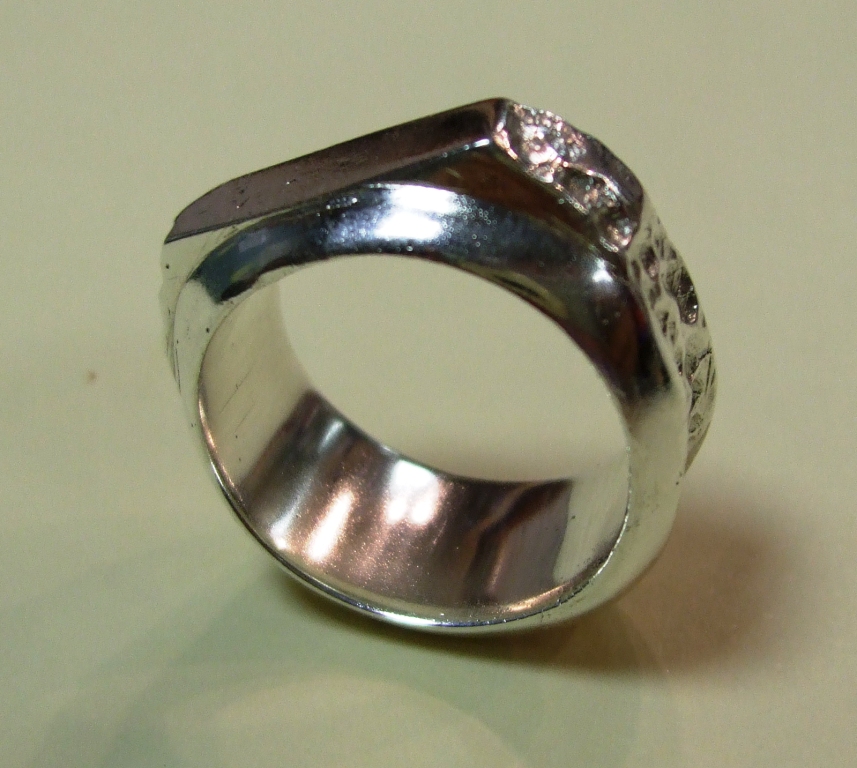

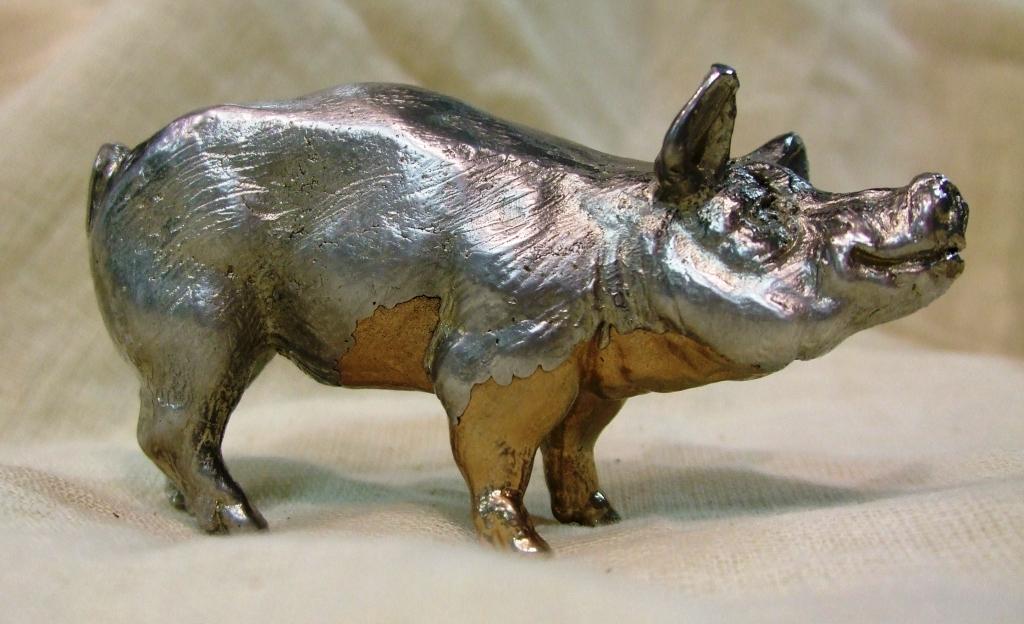
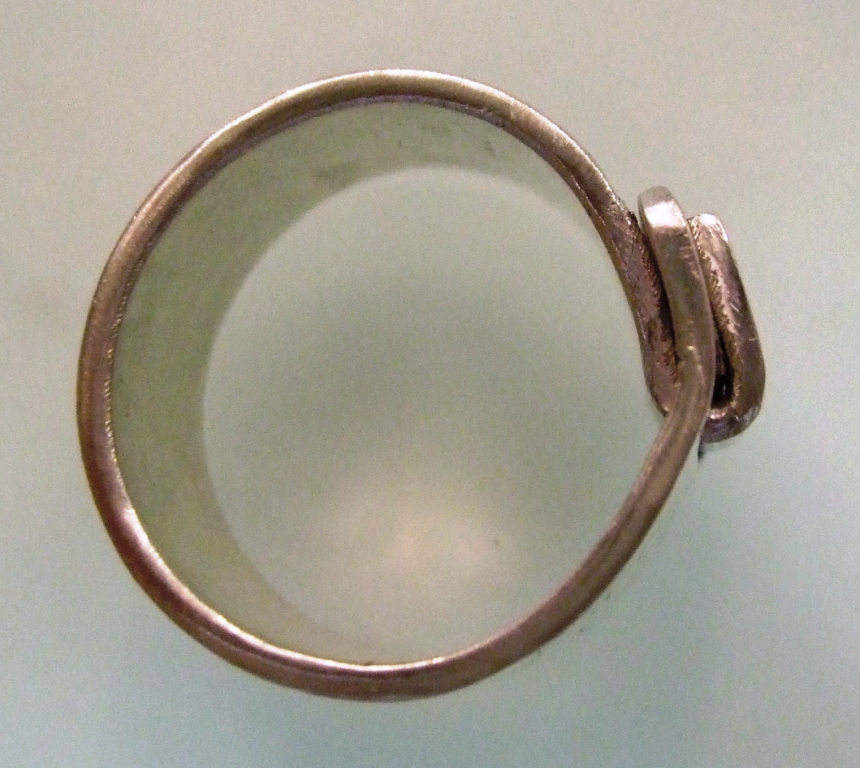
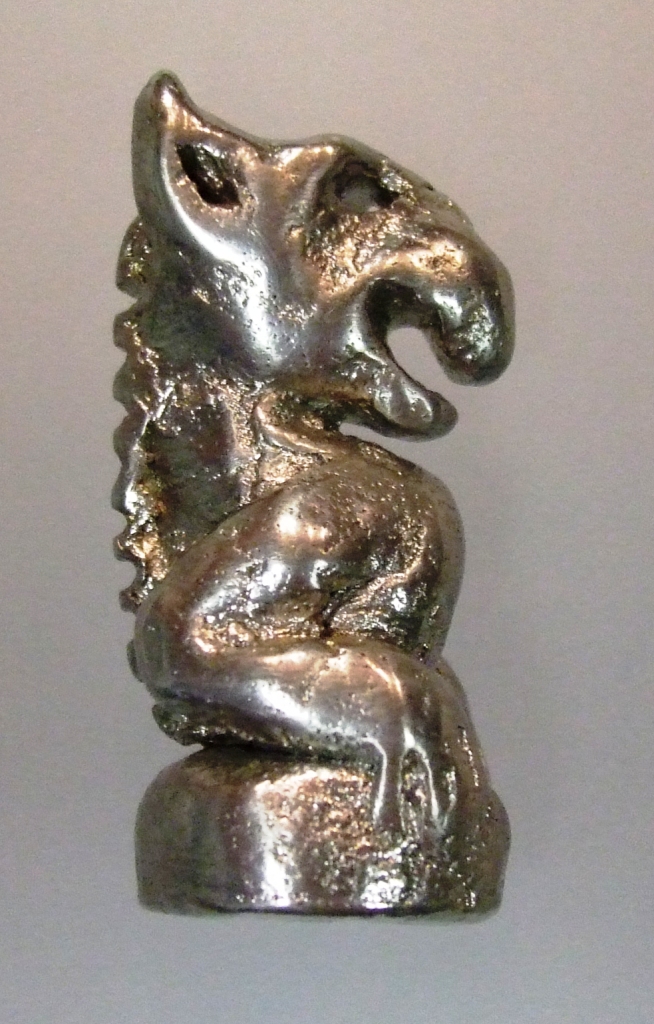
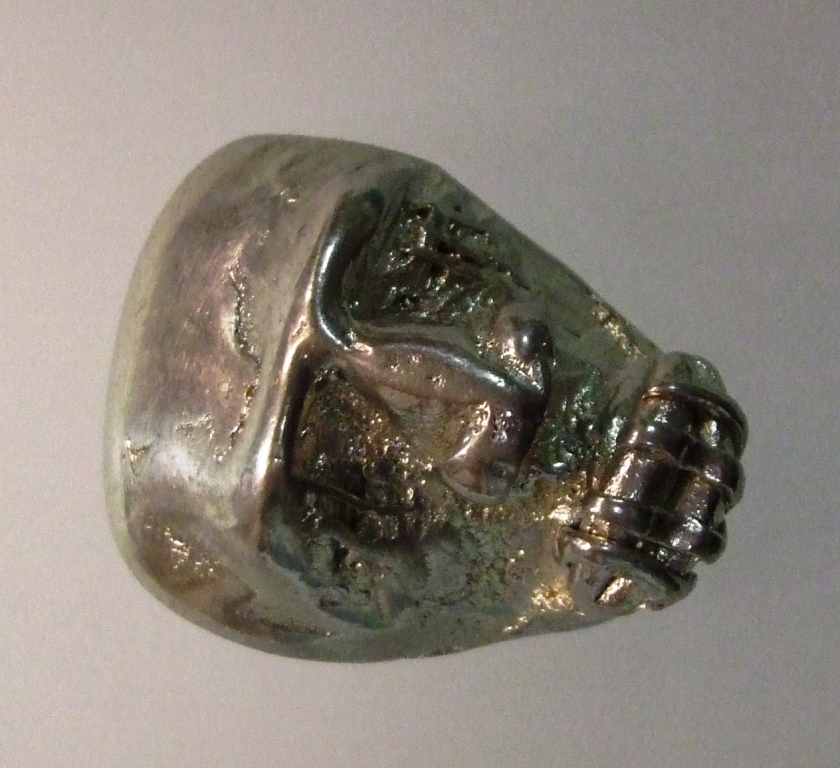
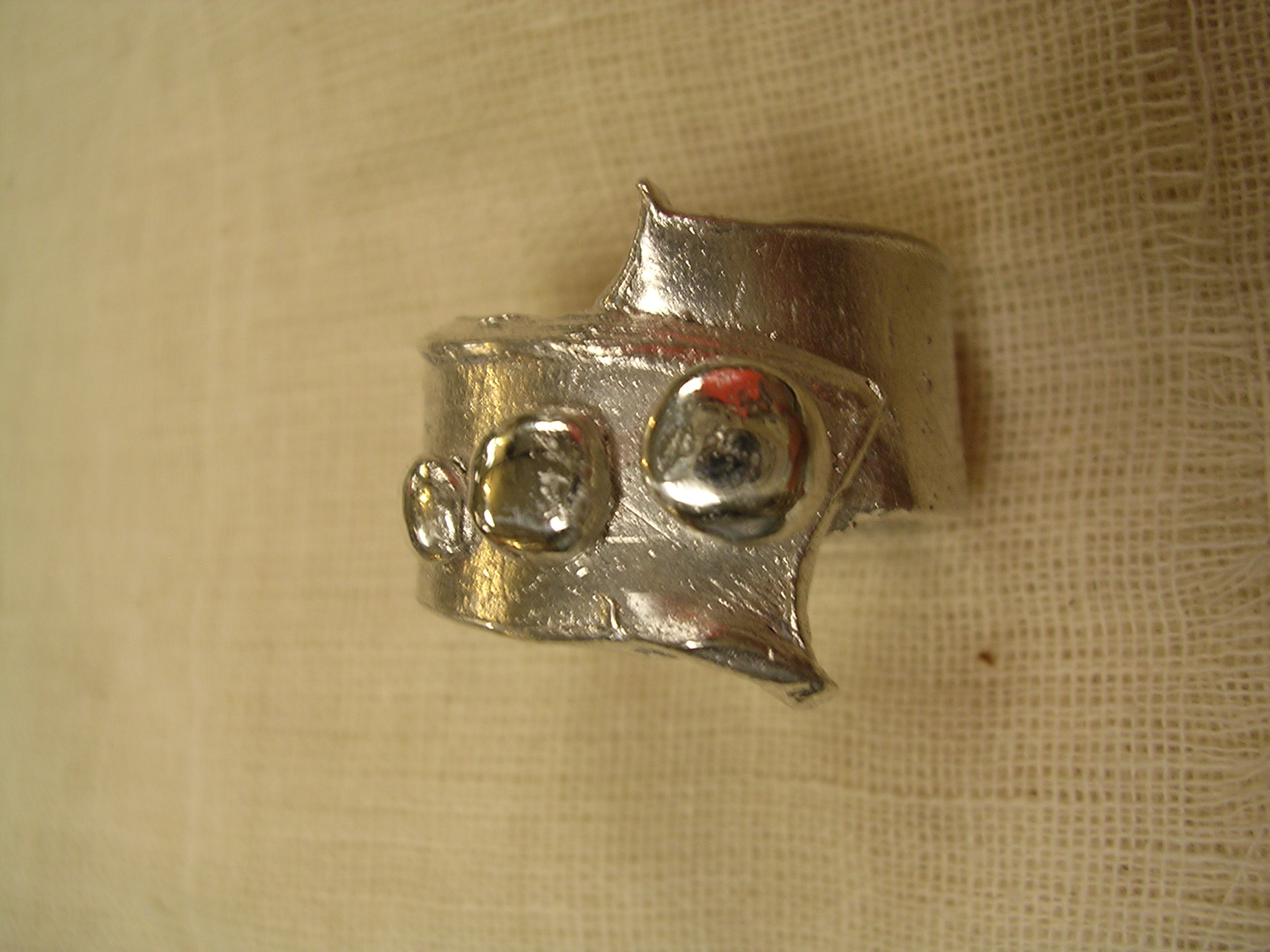
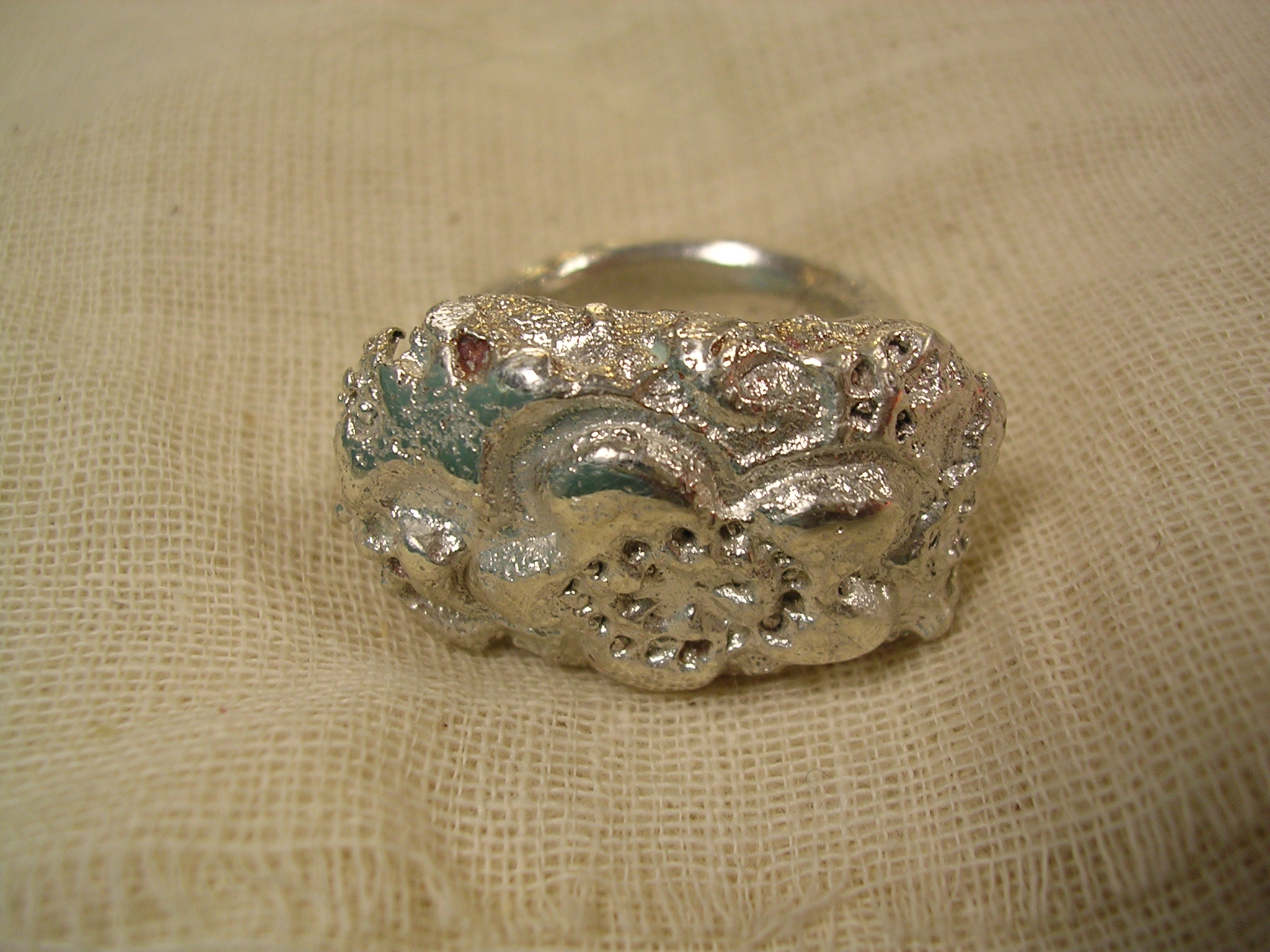
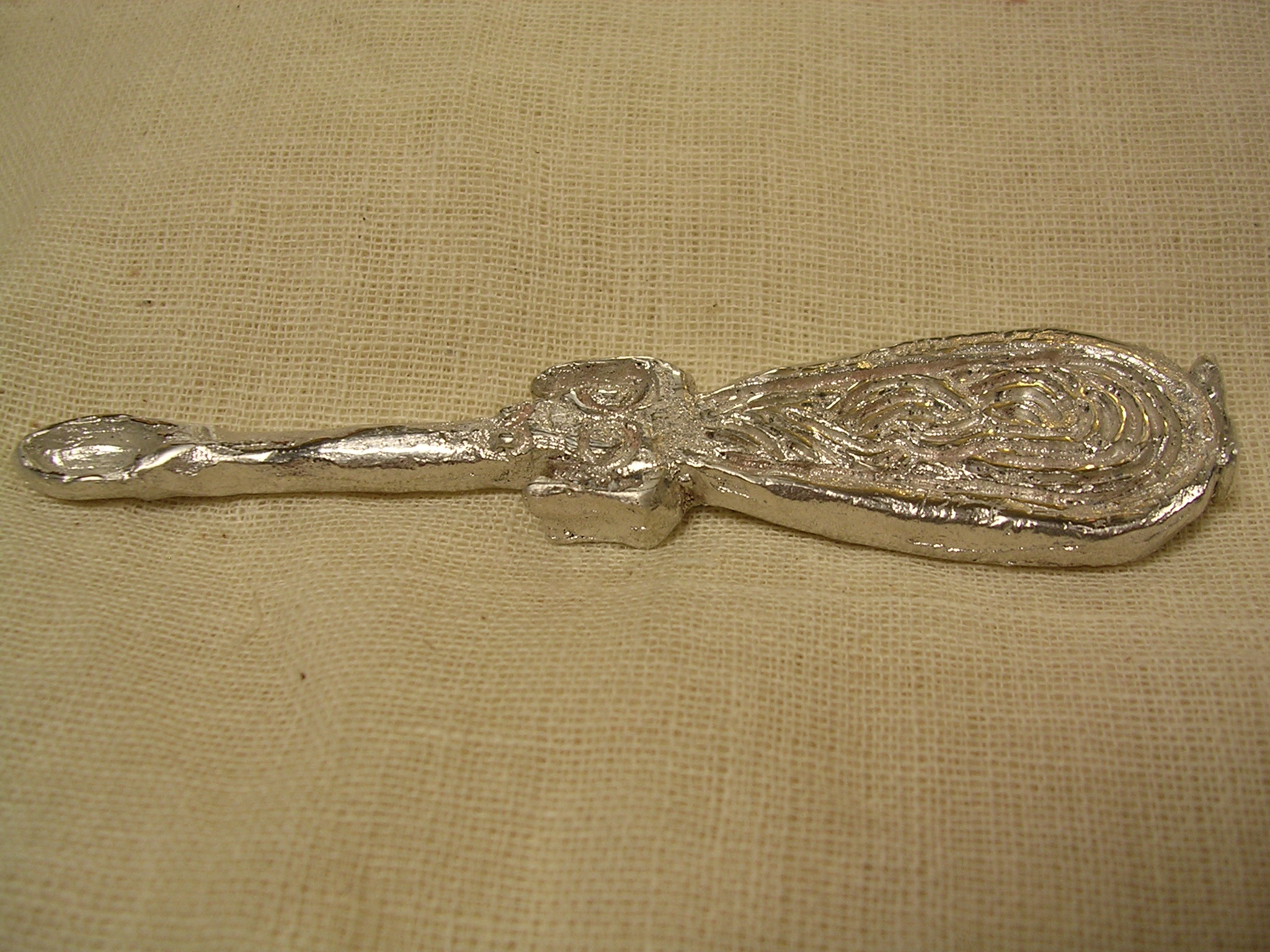
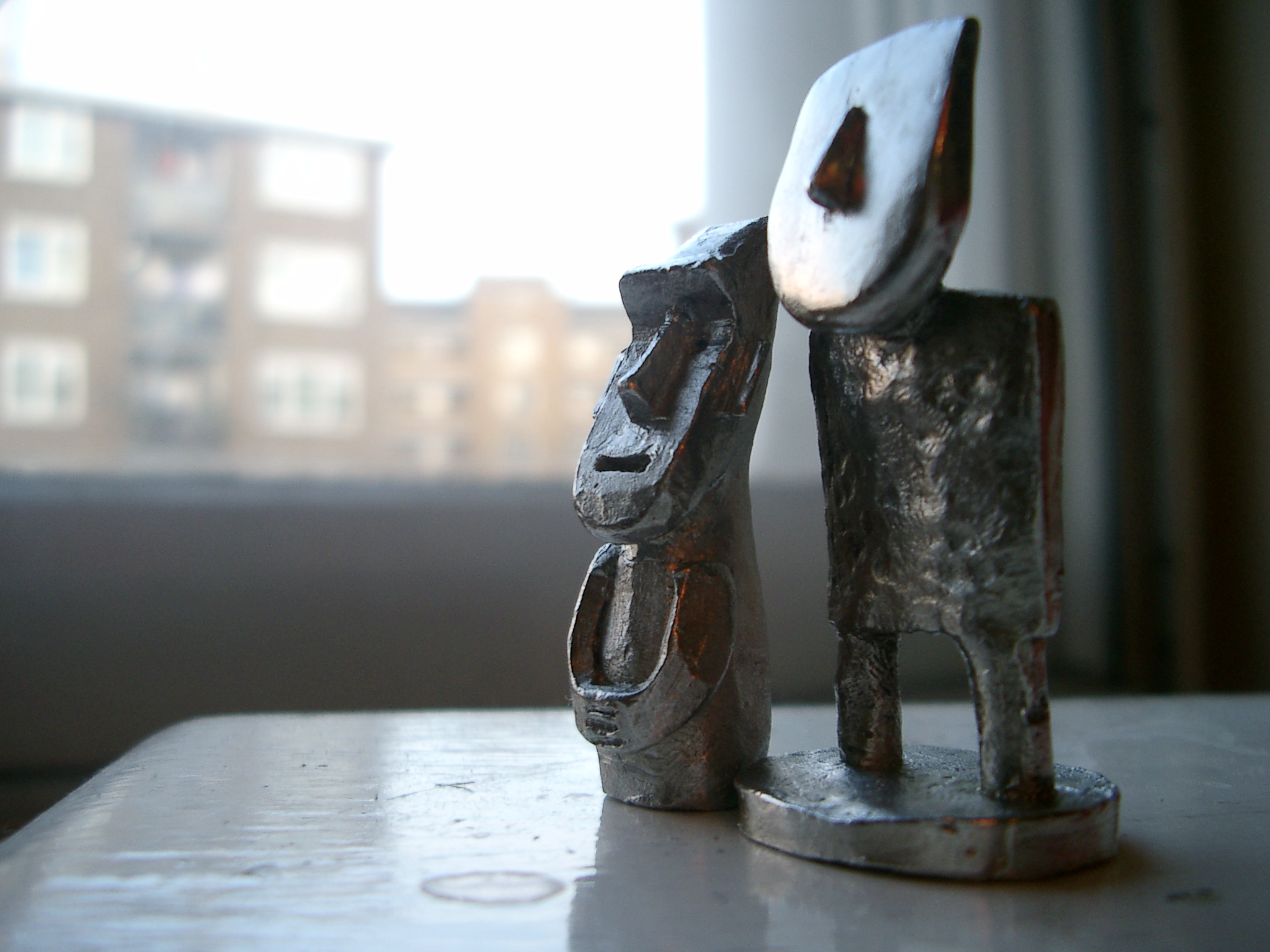
Pictured is a silicon-bronze chess piece cast by Jason Visser on my previous jewellery course, then a cast sterling silver ring. Although both were made in the August course, I only got round to tumble-polishing them when I got back from holiday, just in time for Jason to pick up on the new course where he left off. He then finished the enamelled pendent with the silver flower in the centre; the border of this was fretted from copper sheet then rivetted with fine silver wires. The last picture is another casting of the pig by Alan Reynolds, this time in silicon bronze on the lower parts and pewter on the upper. Not intentional; the initial bronze casting failed, the mould was repaired and the fill completed with pewter, with intriguing results.
A great deal of student work has passed through my hands over the past couple of months; sculpture, pots and other ceramic forms, casts in resin bronze, jewellery in sterling silver, fine silver, silicon bronze and pewter, some with enamel. The works of Barry Denman and Jacqueline Watson are illustrated in the right-hand column.
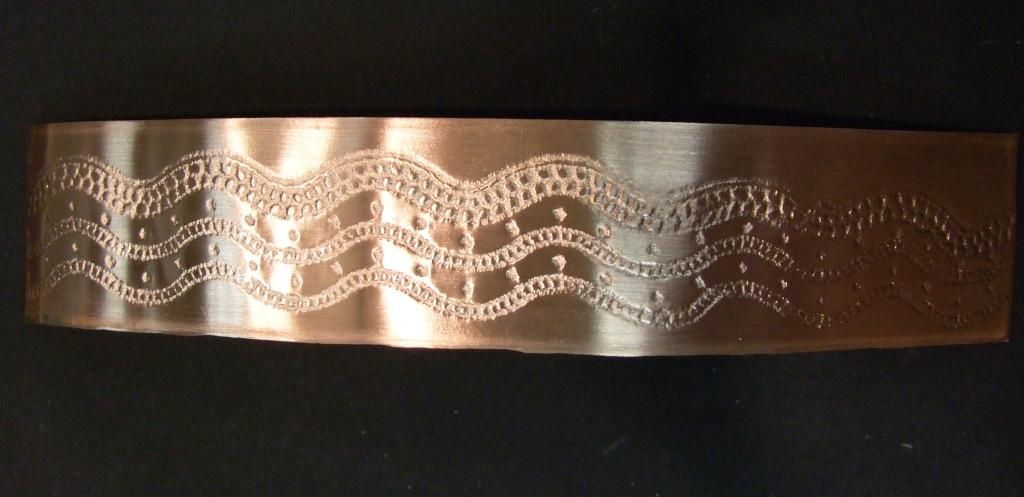
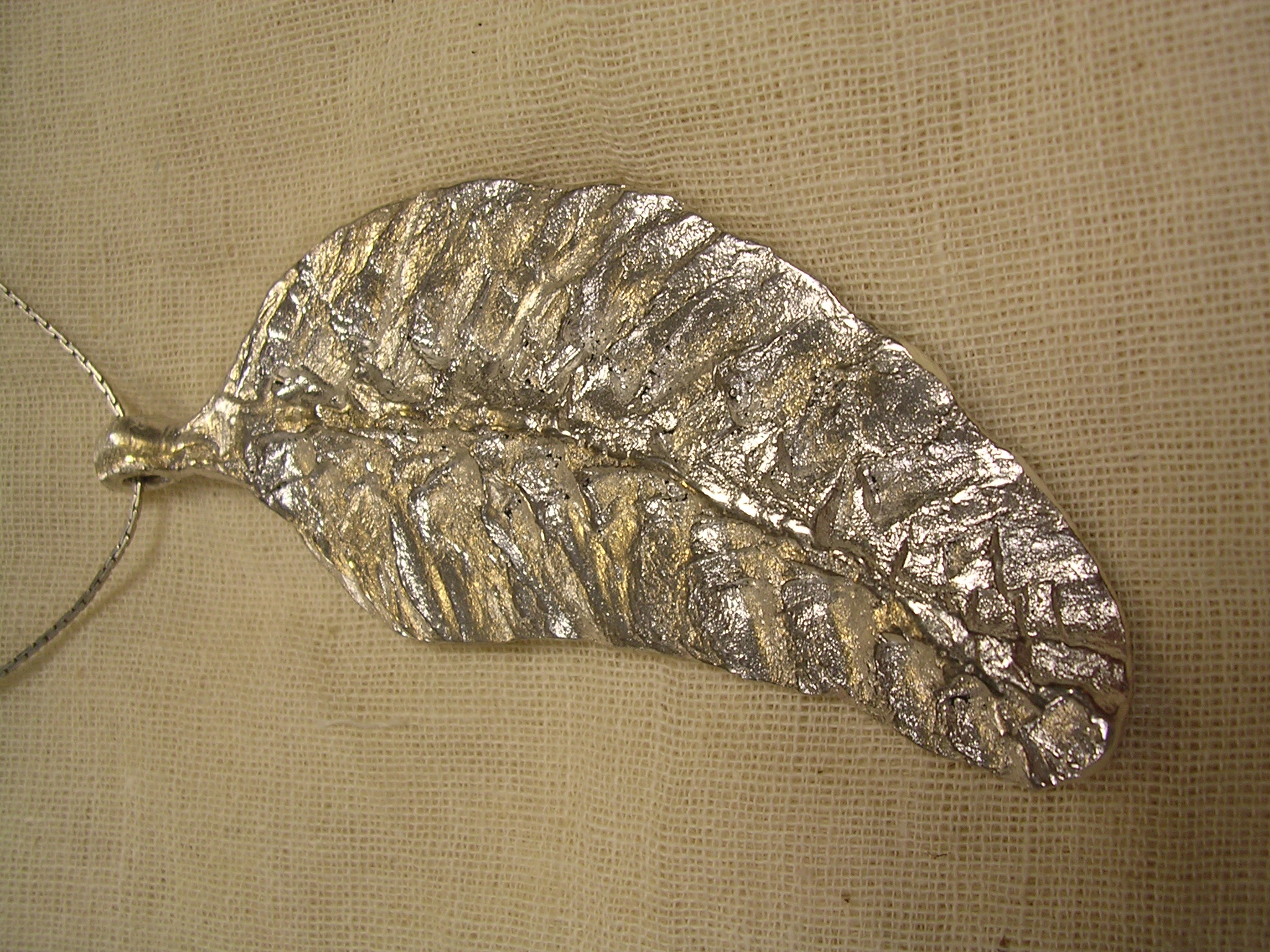
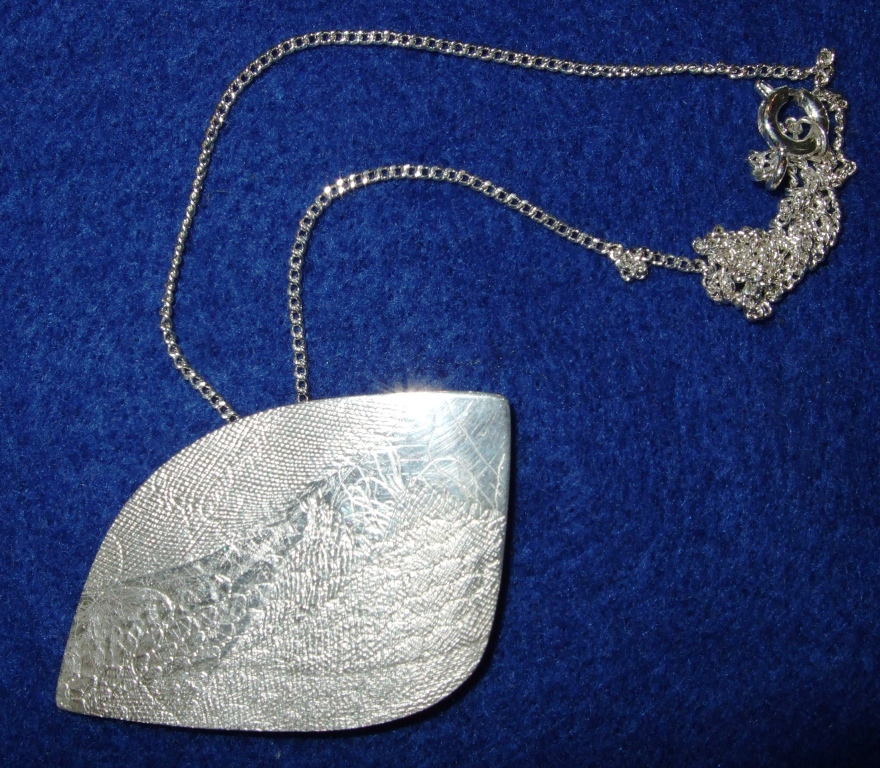 The pendent (left) is fine silver, sawn from sheet (which incidentally was earlier prepared from sterling scrap by refining, casting and rolling), roller-textured and finished with files, sandpaper and finally a tumbler machine, by Halina Panopoulos. The chain is threaded through a sterling tube on the back of the pendent.
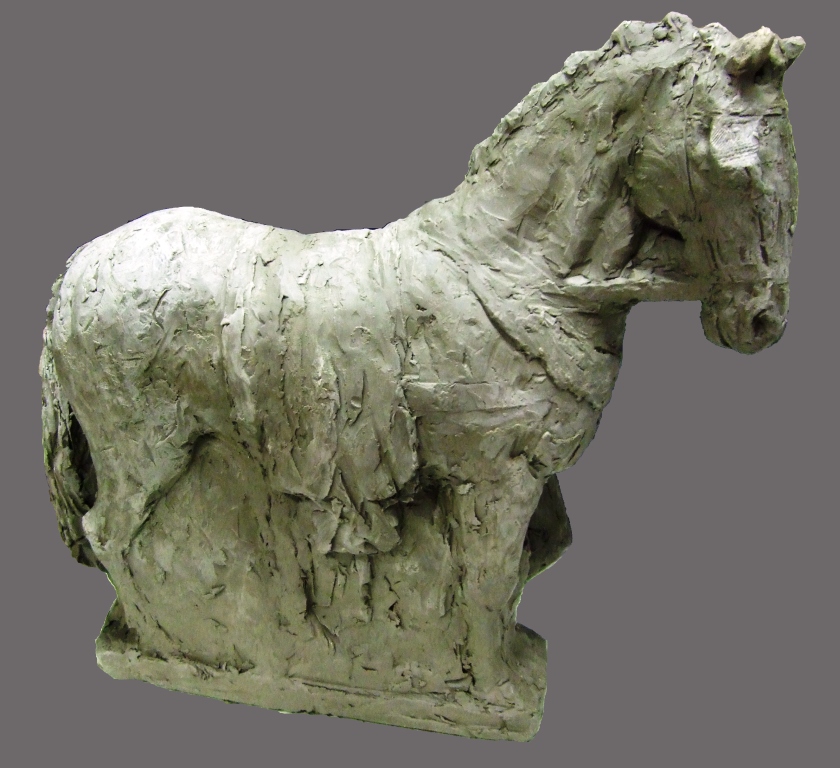
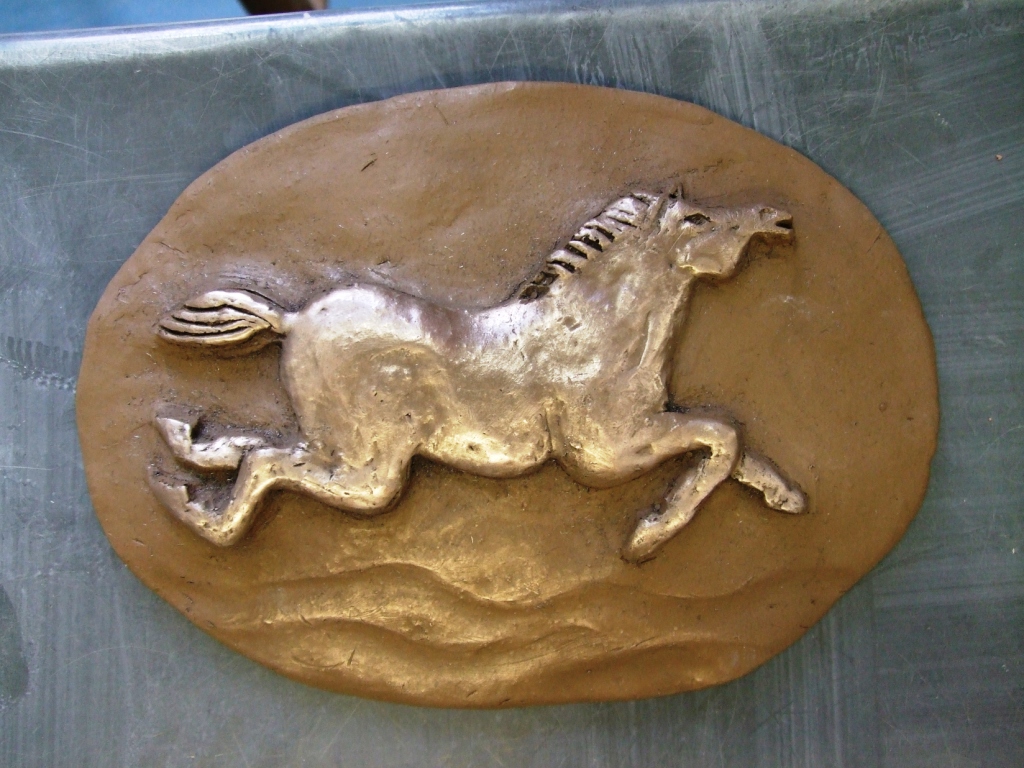
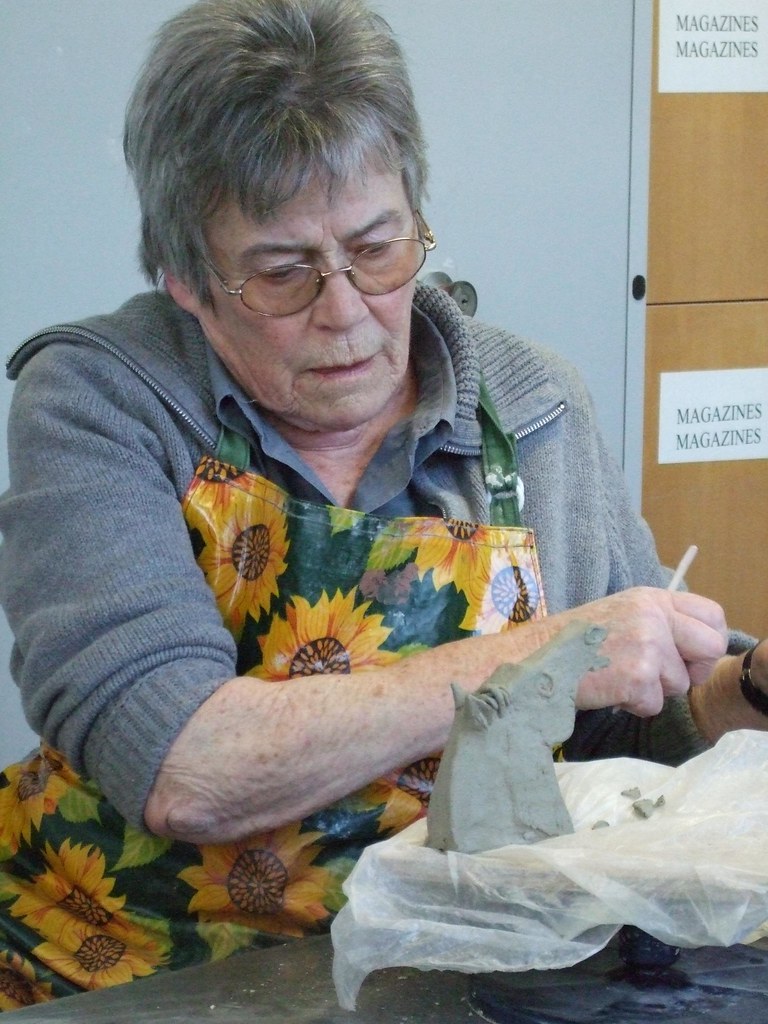
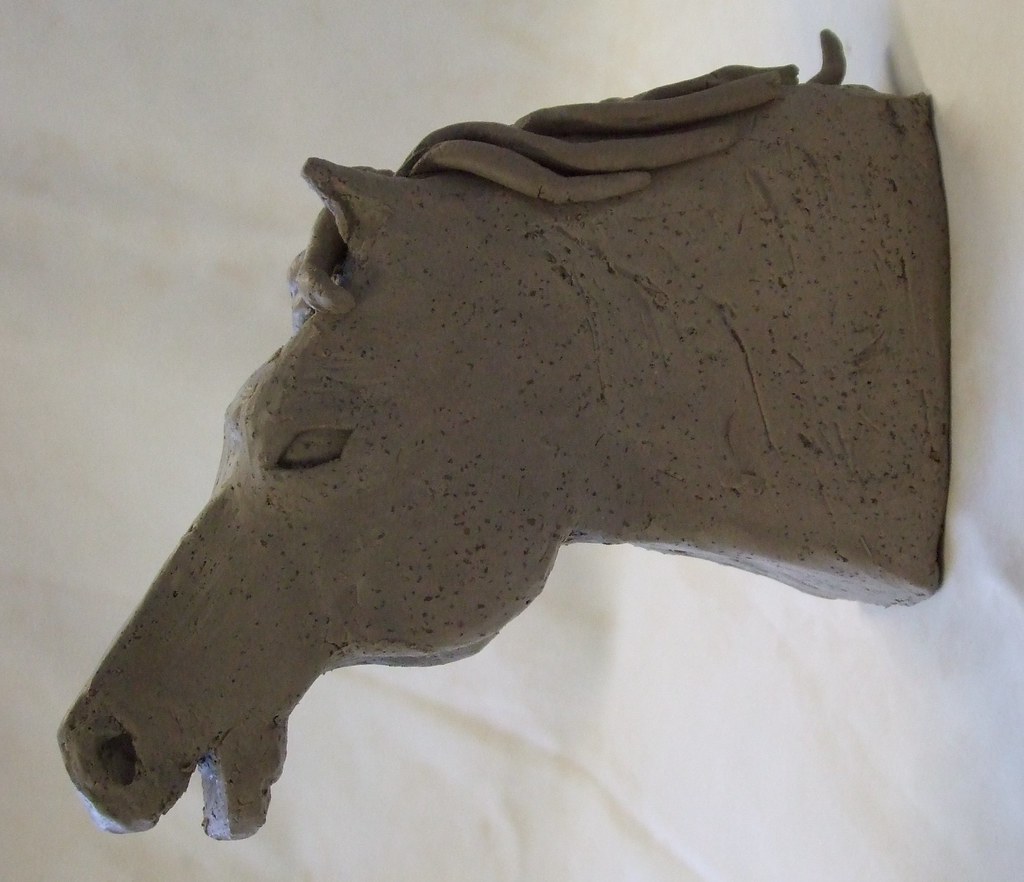
 Since I have no better forum for her work, I have also illustrated Mary Winchester's latest horse, here seen (left) as unfired & fired stoneware clay. My involvement was mostly limited to advice over drying and firing. See the paragraph on her work below in older (previous) posts.
 The jewellery workshop classes chose to have some rings and pendents cast in silicon bronze, because I recently took a shipment of some reasonably cheap silicon bronze rod. This is in contrast to the increasing difficulty of getting my usual art bronze (a leaded tin bronze known as LG4). The item shown left is my small gas furnace for melting silver or bronzes; the burner is on the far left, the thin rod in the foreground is a small thermocouple and the woolly hat is a home-made ceramic fibre blanket 'lid'.
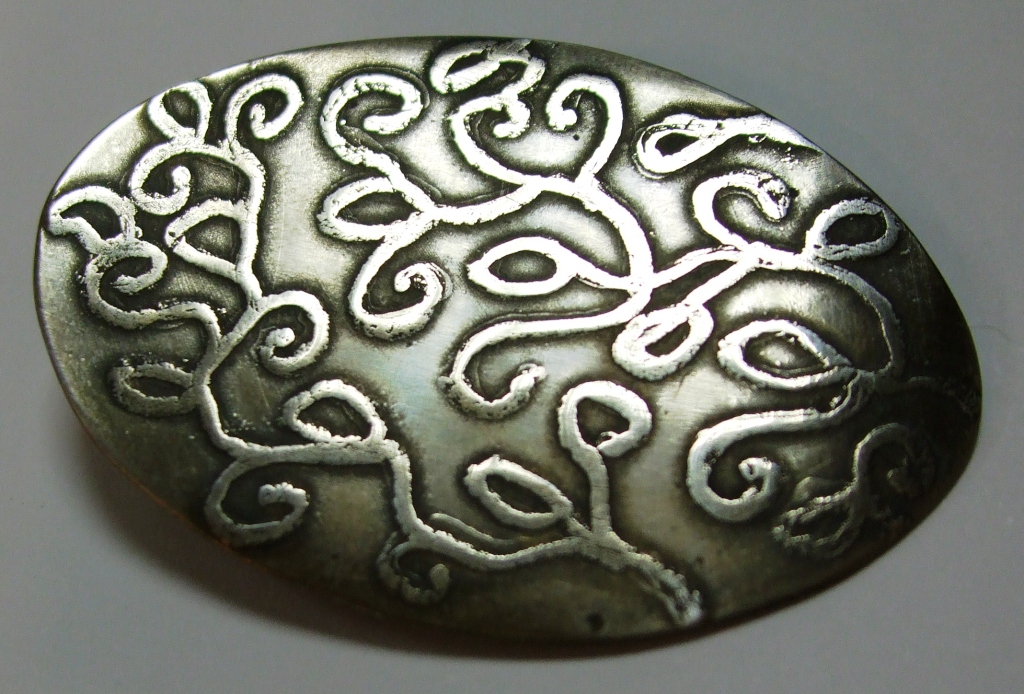
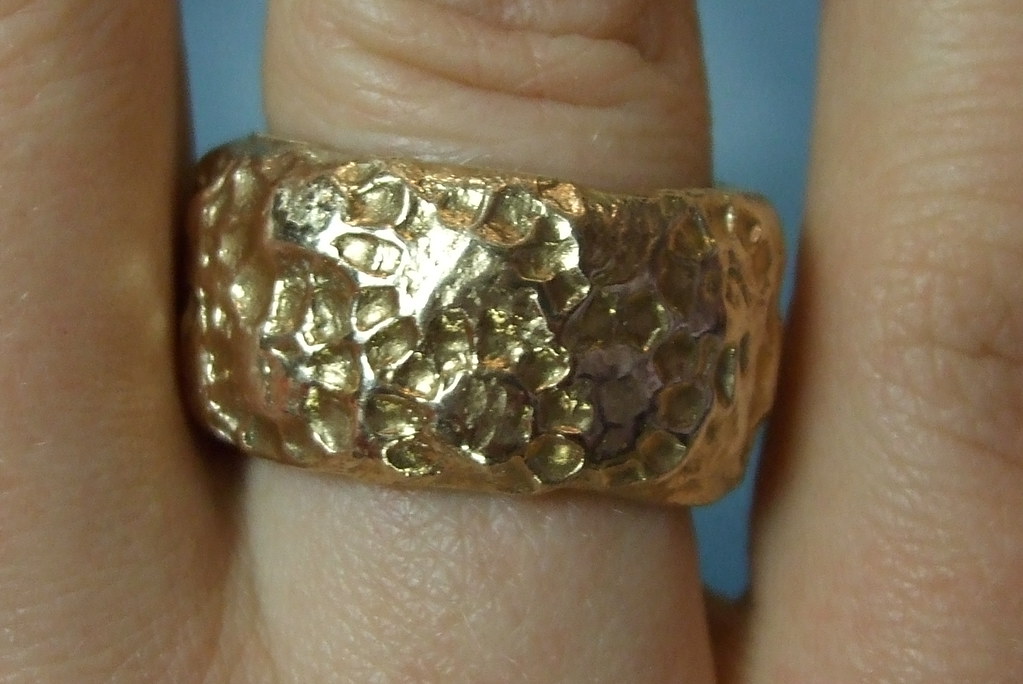

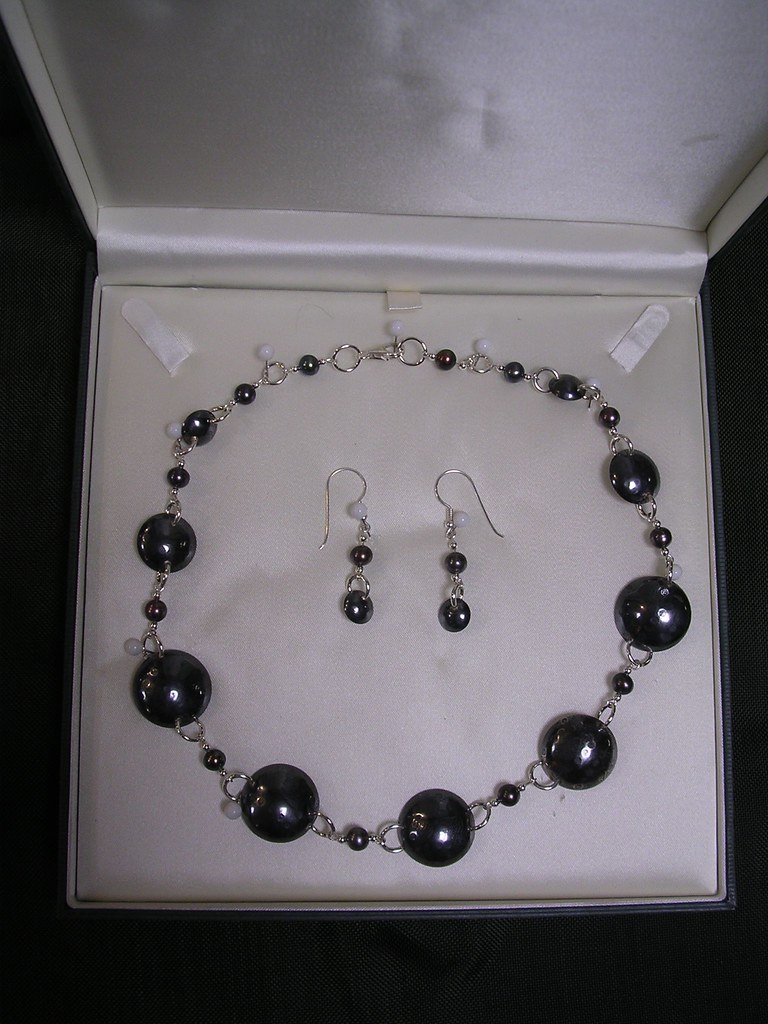
The necklace consists of ten domed and patinated silver discs alternating with bought glass beads (some black, some white) and utilising bought sterling chain and findings. The matching earrings use a single disc each. The patination is well sealed, otherwise it could leave unwanted marks on light clothing.
As you can see, Alan understands the importance of presentation! The white satin-lined case makes an excellent contrasting display setting.
The silver was patinated by suspending the discs for about 30 minutes in a sealed container with some ammonium polysulphide solution in the bottom. This liquid emits fumes of hydrogen sulphide, which demands good ventilation to avoid health problems. It is also quite caustic since it contains free alkali, so gloves and goggles are also necessary. The result should be that the silver turns dark and somewhat iridescent (although the rainbow colours are greatly reduced on sealing). It is washed, dried, then sealed with a conservation-grade hard wax.
This school, usually abbreviated to PSAD, has been going for over a hundred years, and is found behind Putney High Street. They don’t at the time of writing have their own website, but are hosted on a page provided by Wandsworth Council.
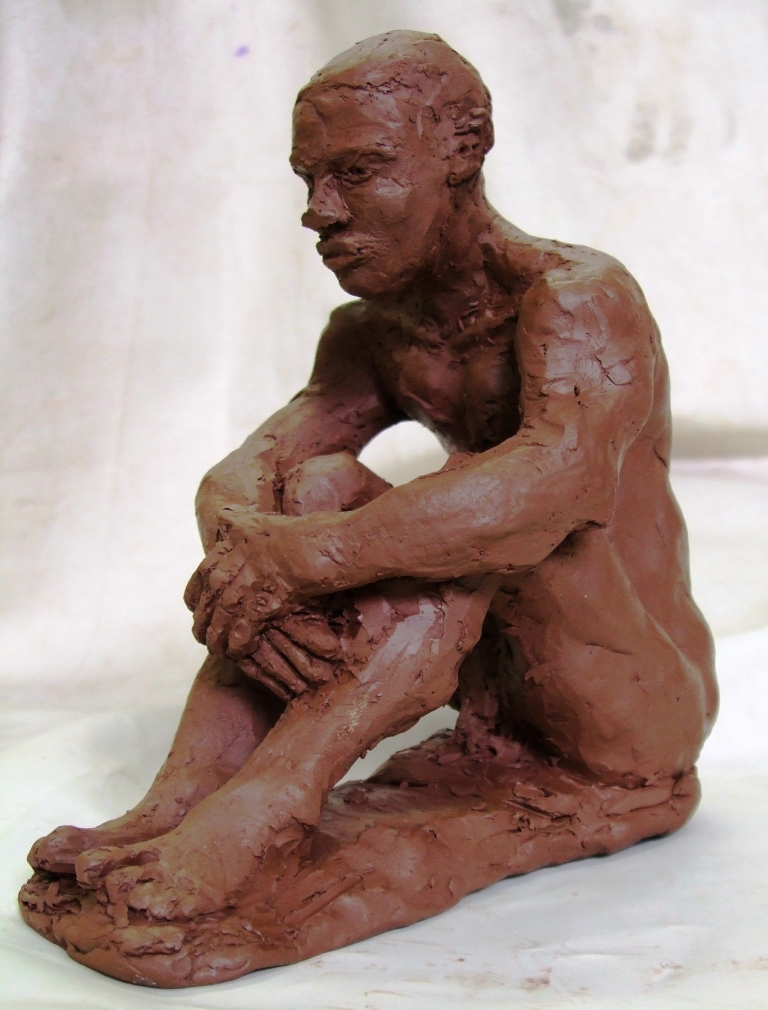
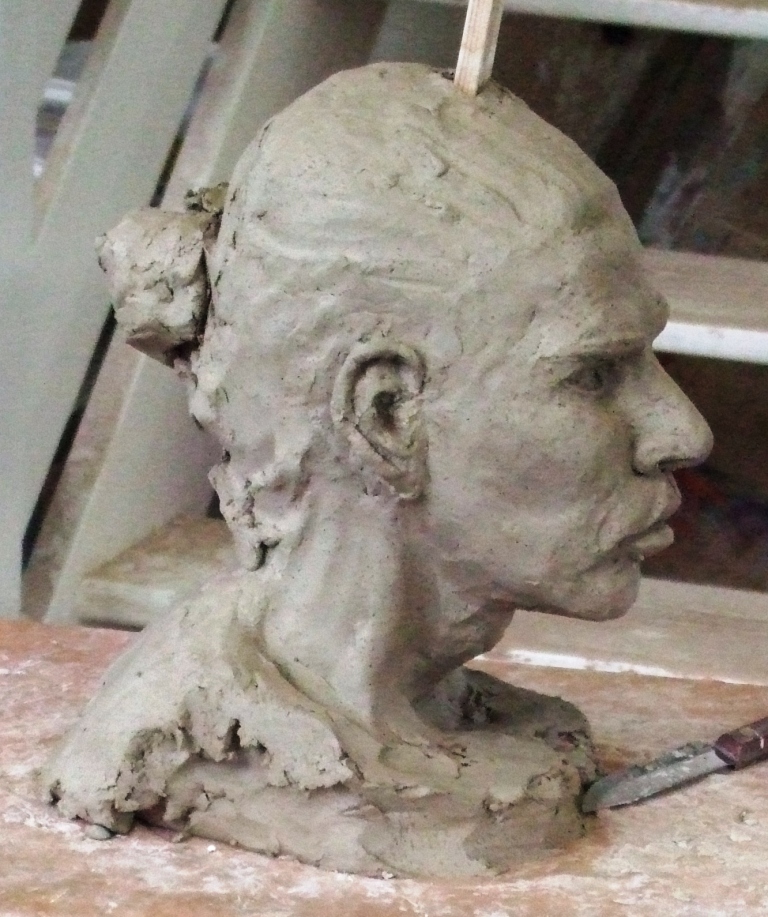
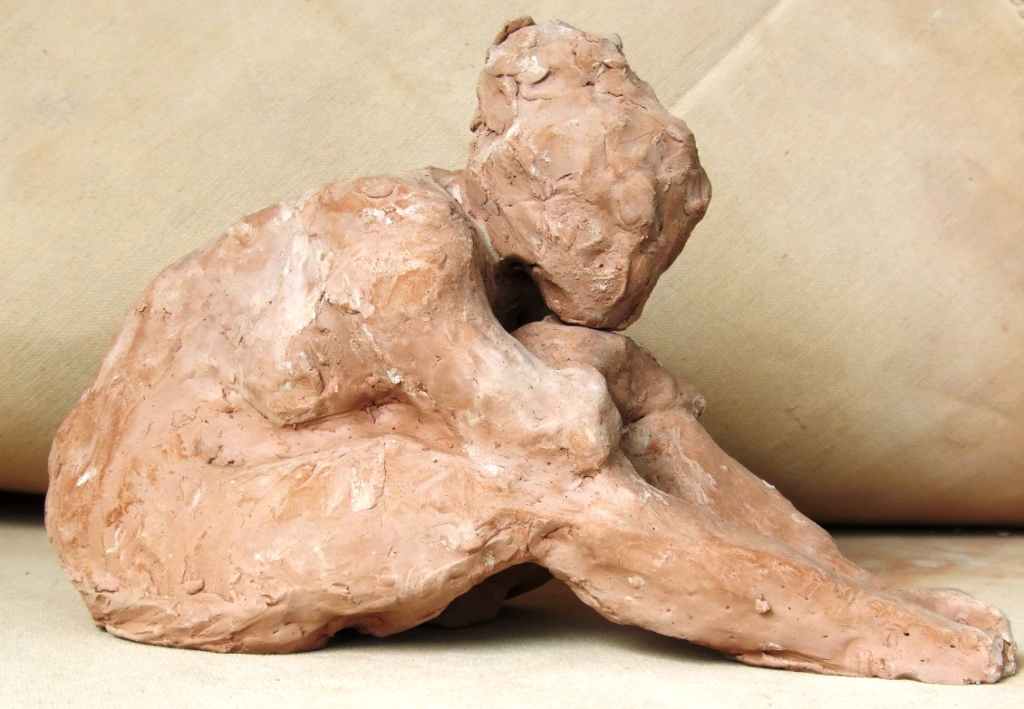
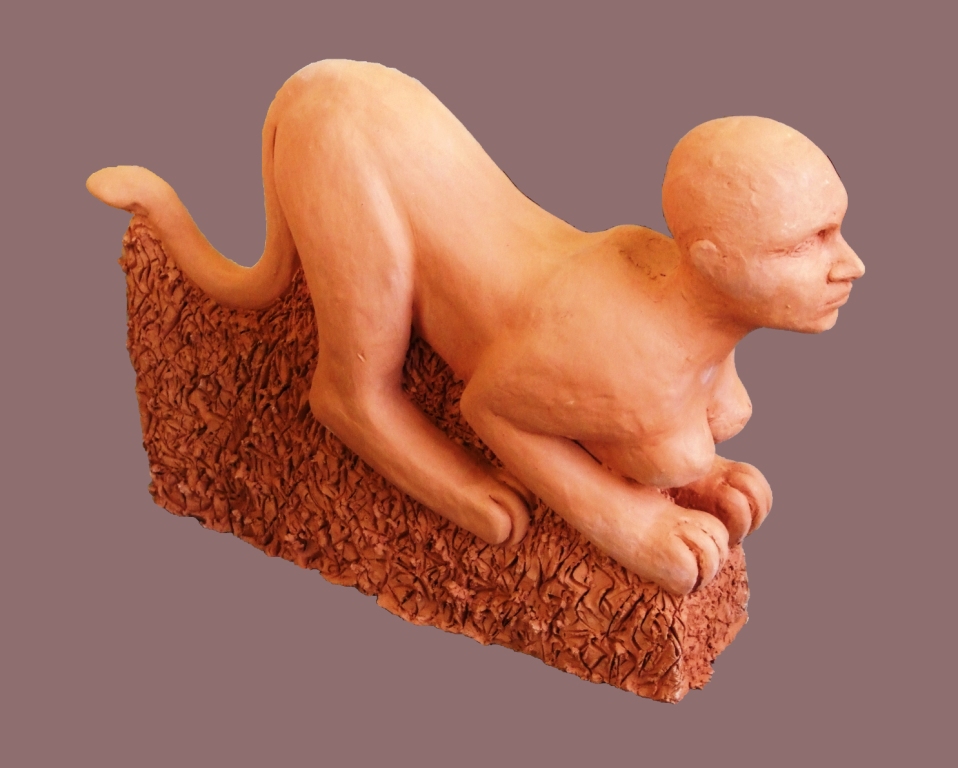
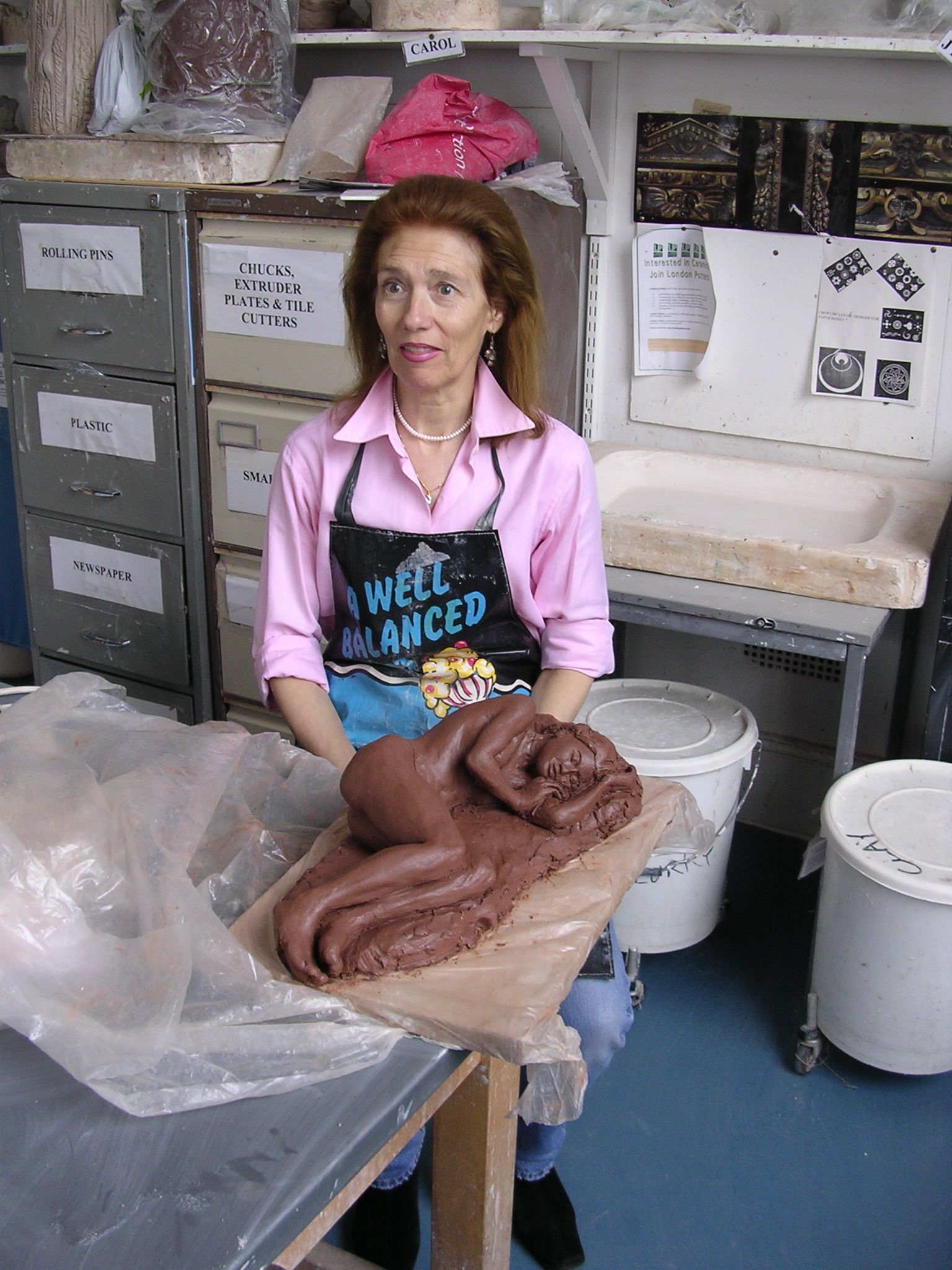
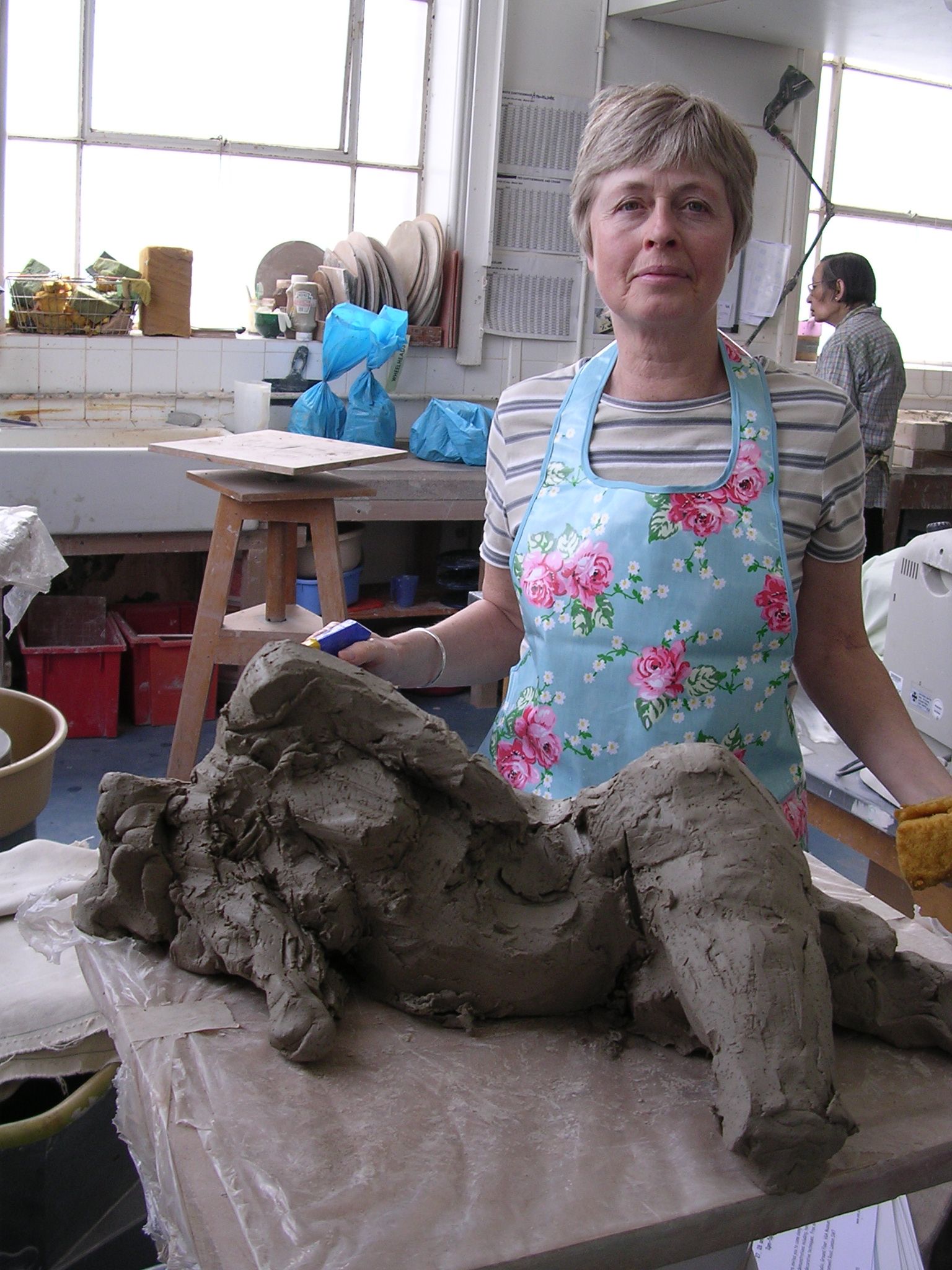
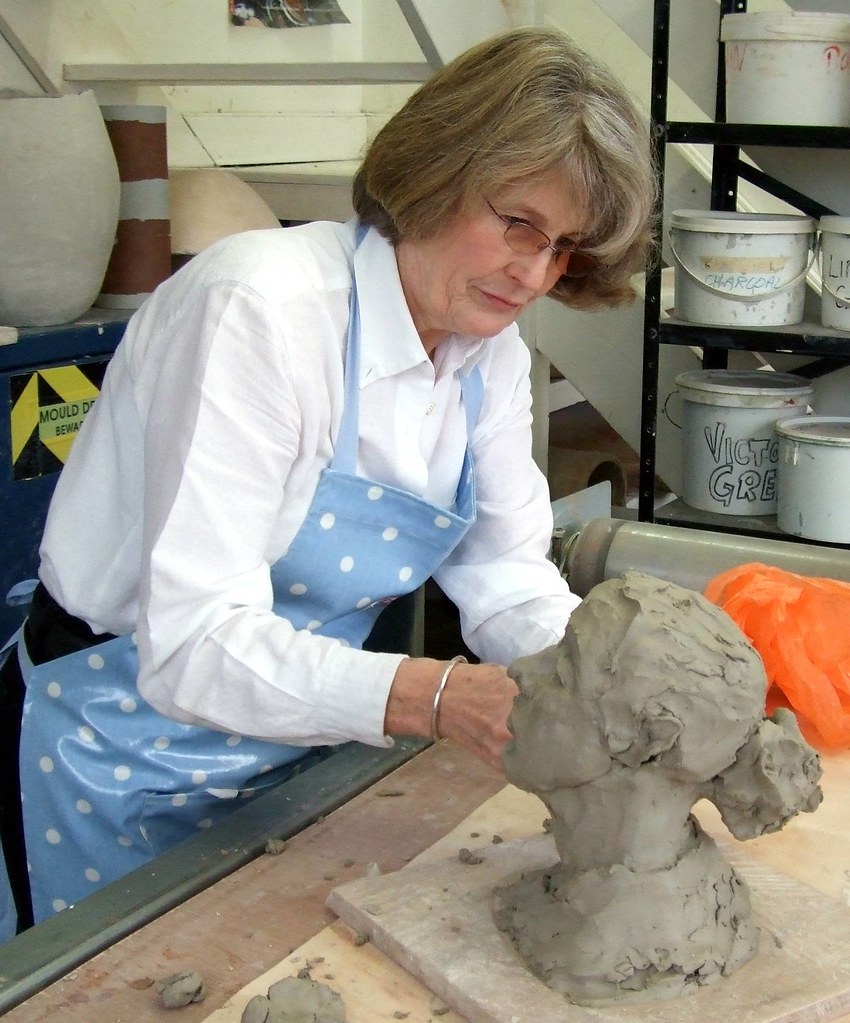
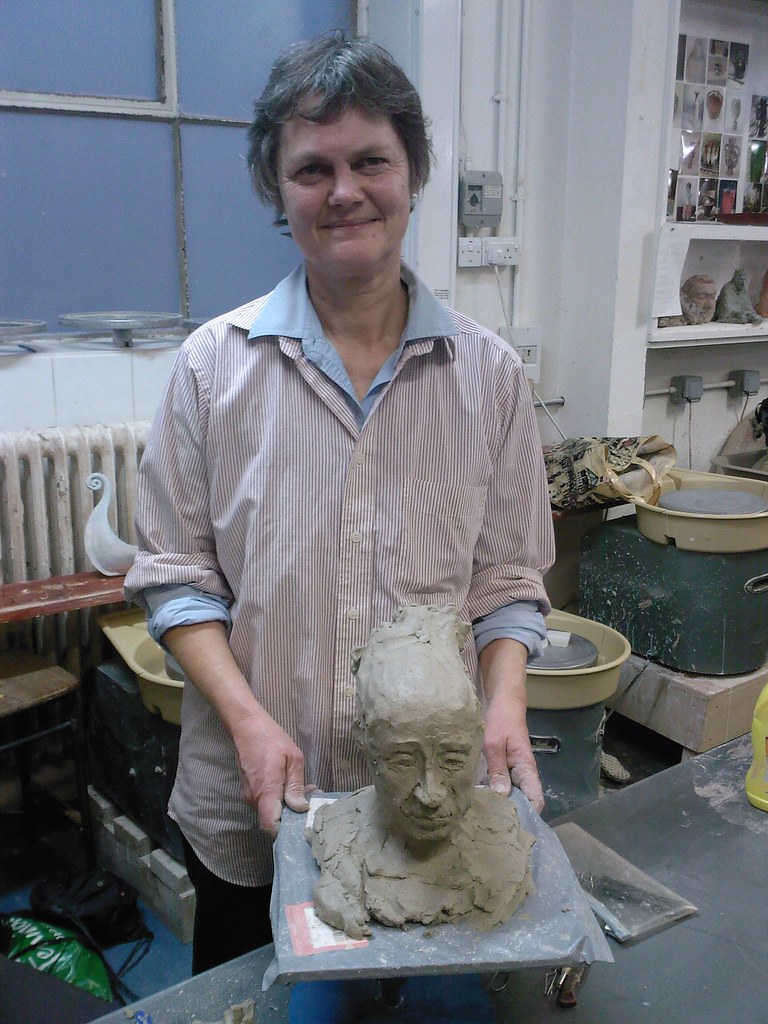
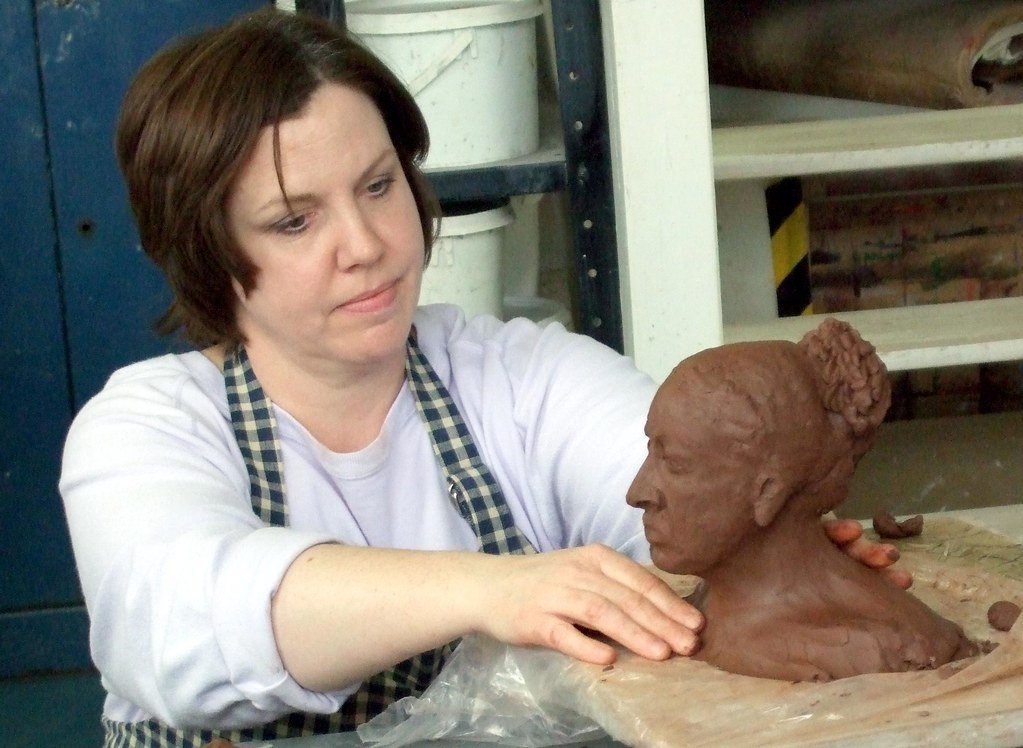
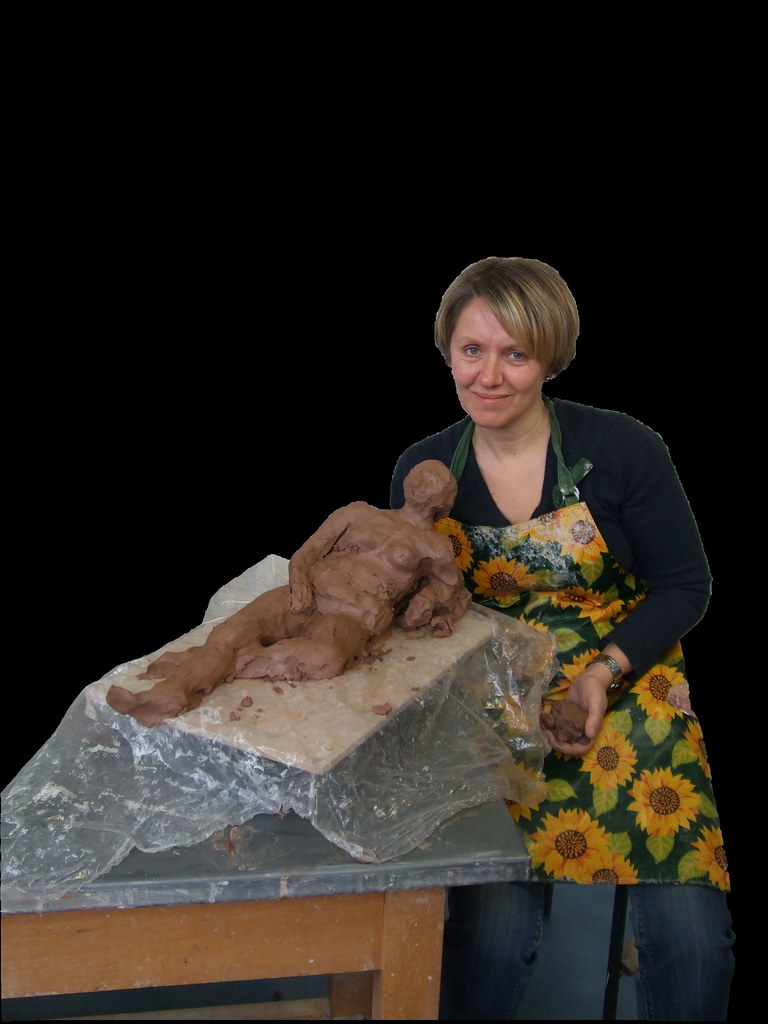
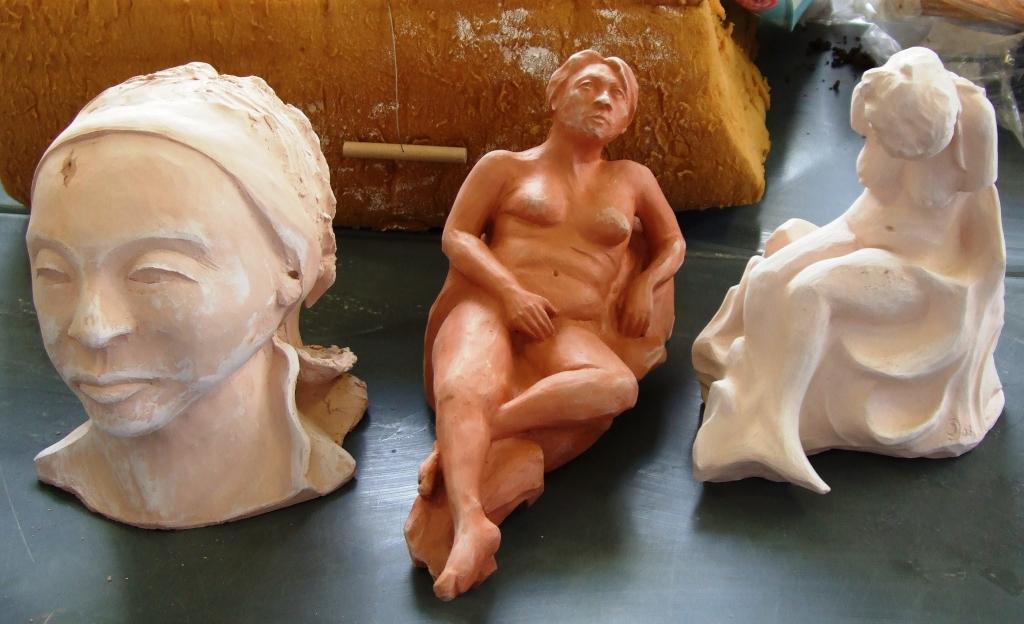
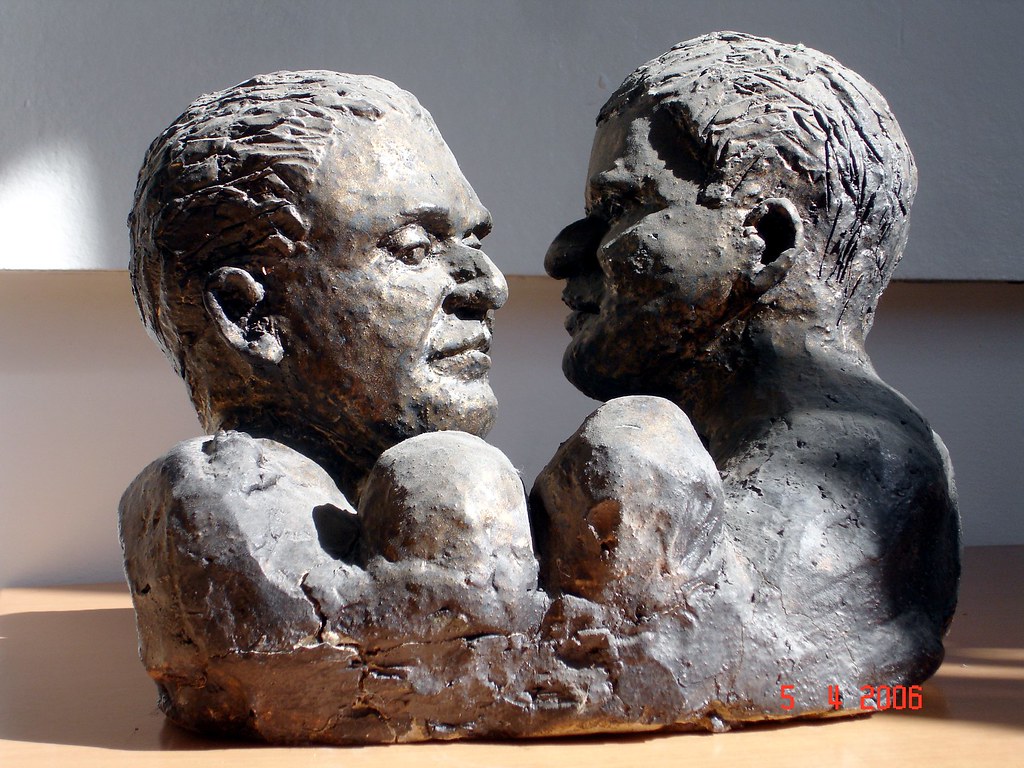
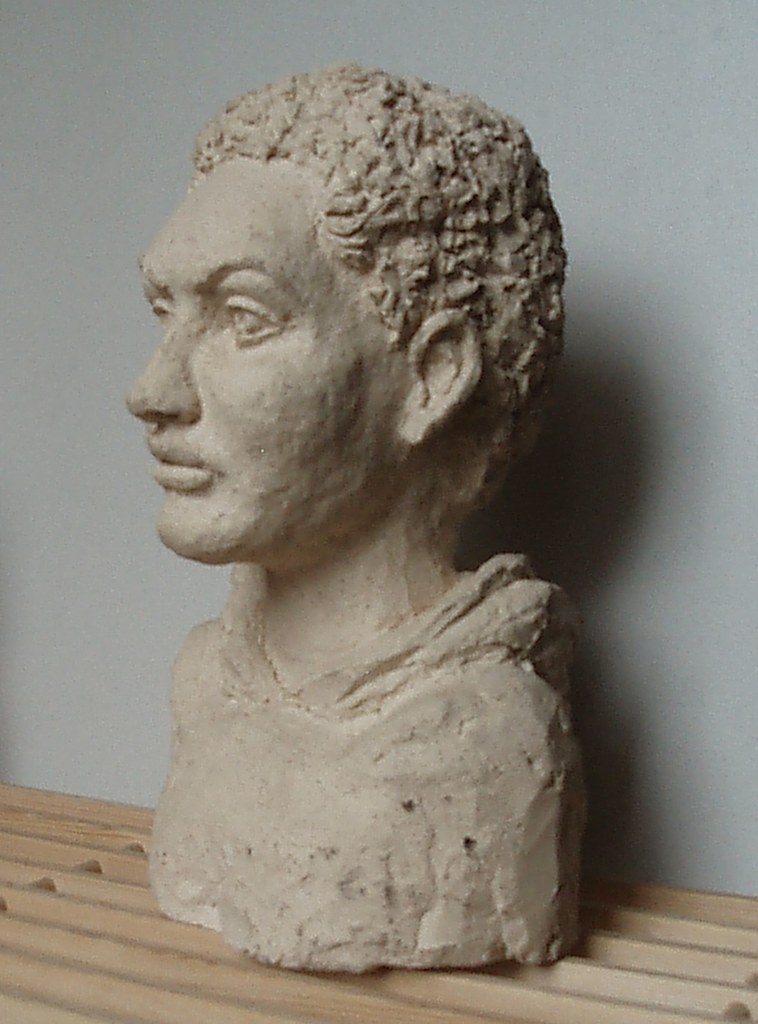
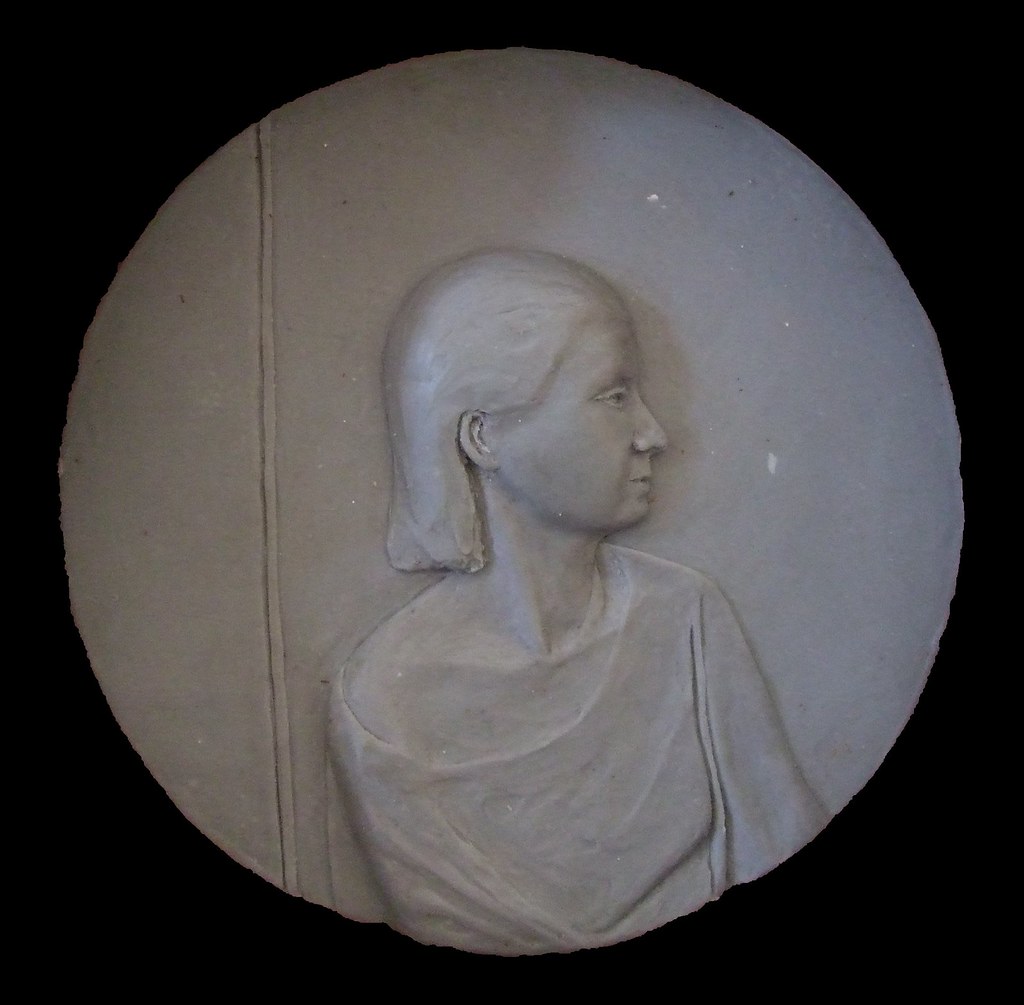
I have been teaching Sculpture from Life there since February 2005 . The students are drawn from the general public, and some have been attending for some seasons, in some cases over several years, booking their slots well in advance. Their interest in the school and their practice of sculpture is quite refreshing. Below is work done by Annie Barclay (first two) and Margaret Maitland (next two).
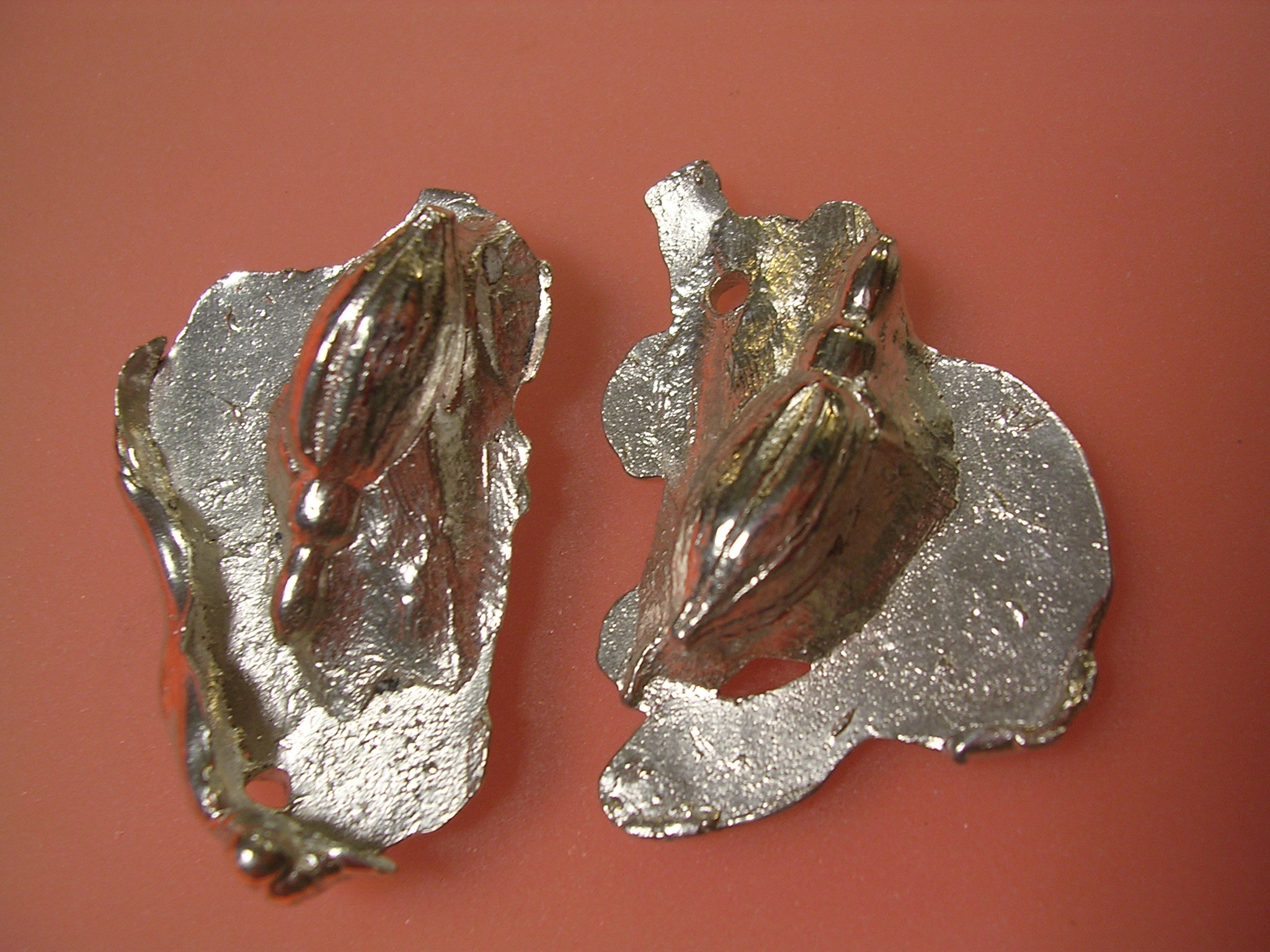
In October 2006 I ran a one-week course on silversmithing, and am hopeful that there may be further future courses. Below are examples of some of the work produced on that course.


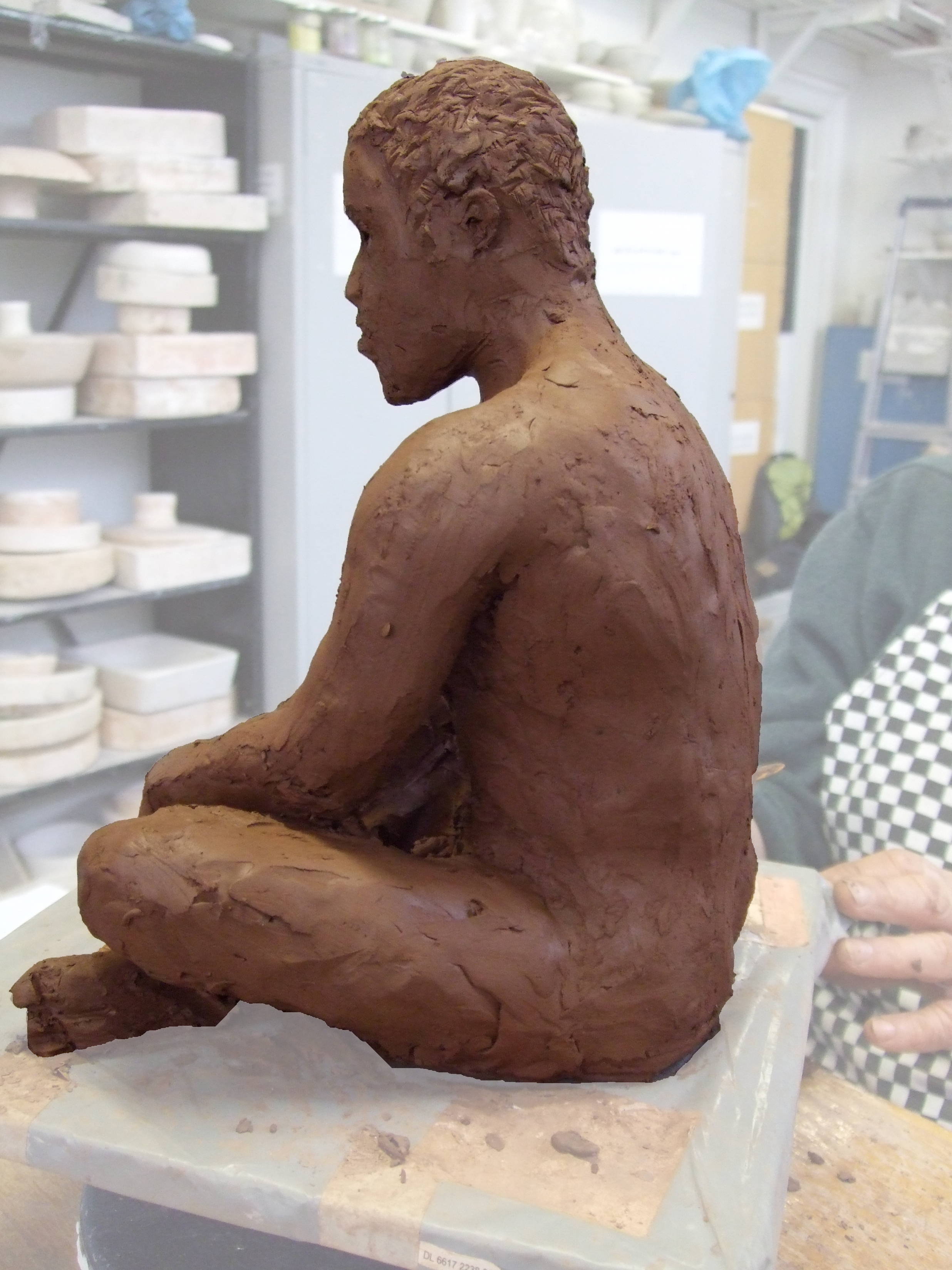
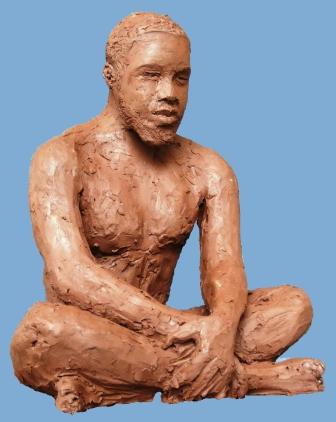
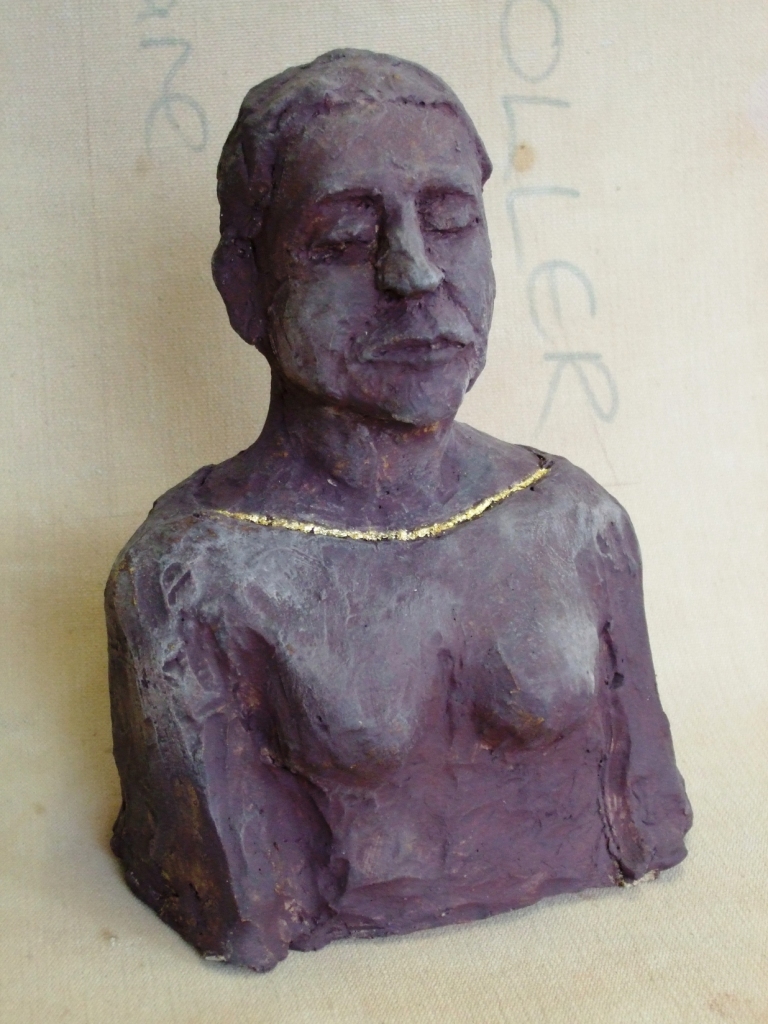
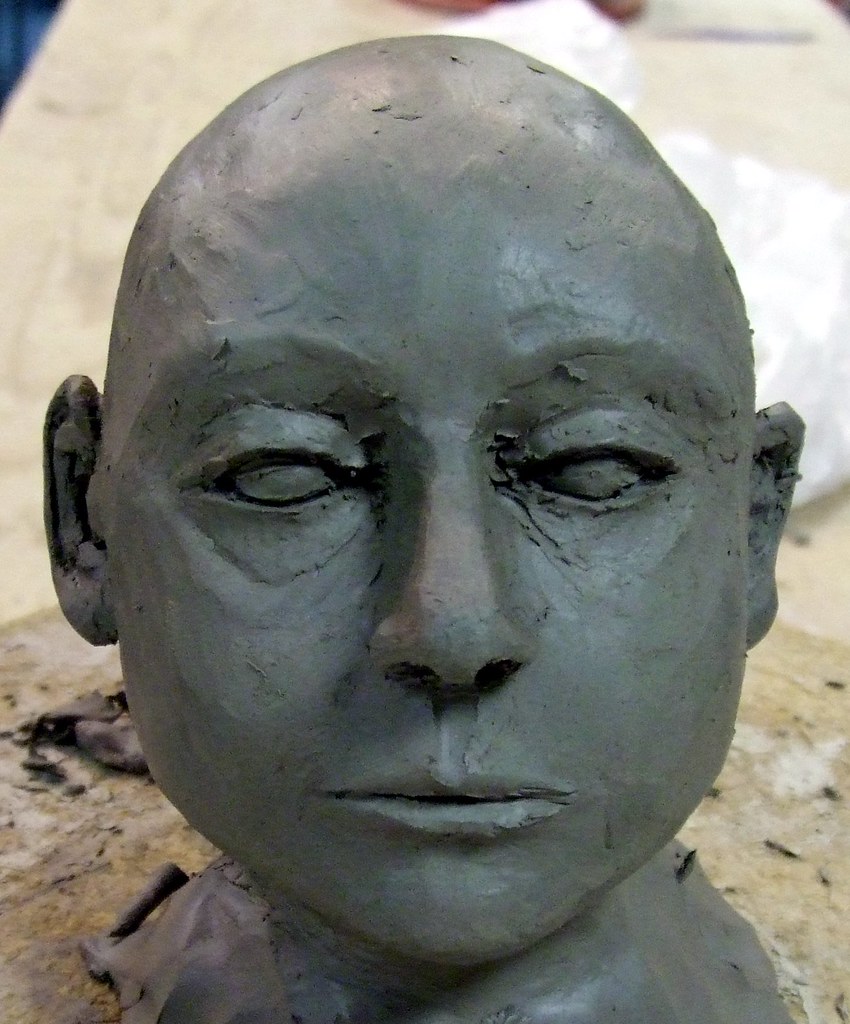 This head was made in the sculpture from life class by Sam Knight over several Thursday evening sessions using a life model. The piece seems to have a a sense of meditative spirituality.
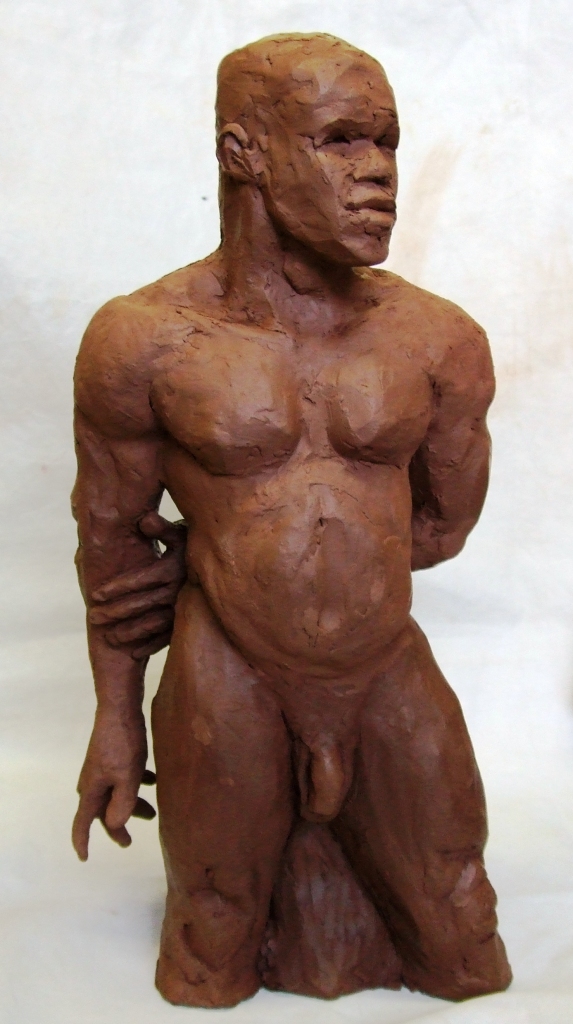
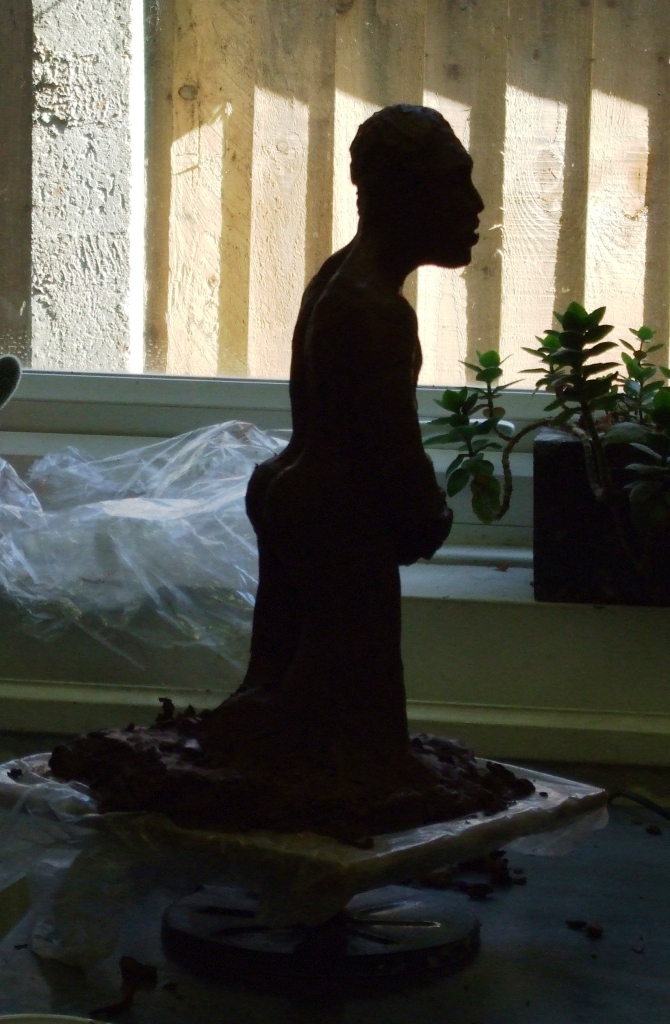
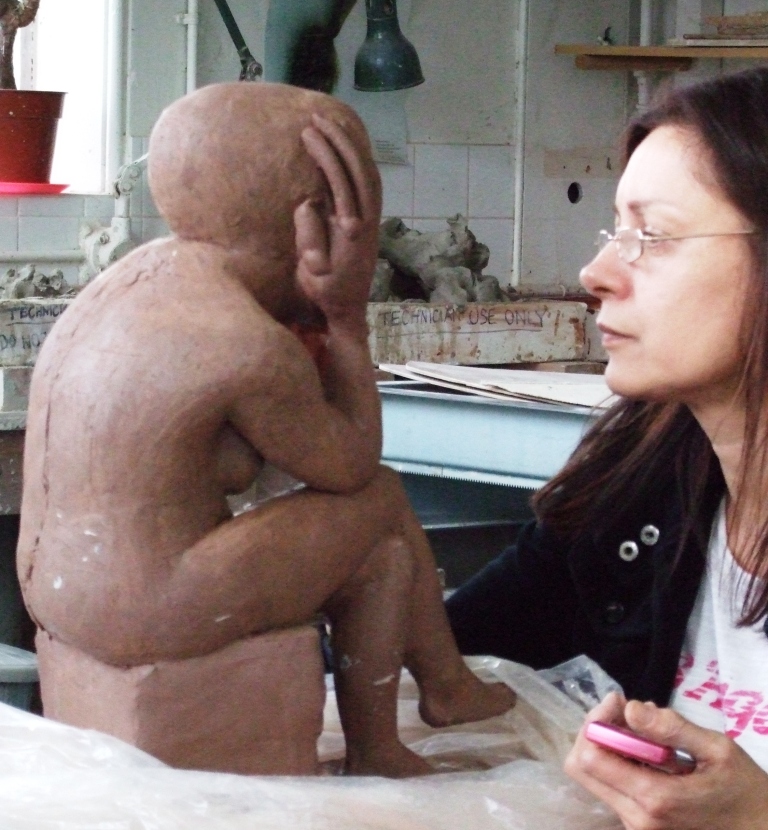
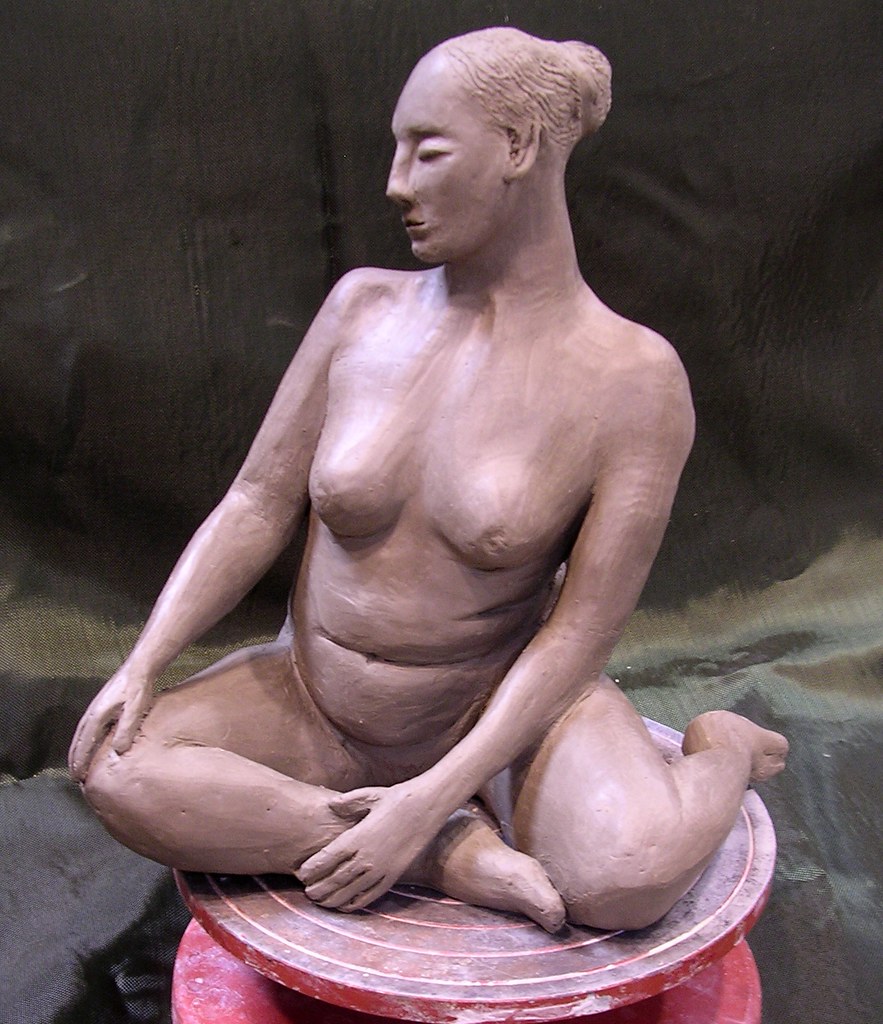 This 15" high terracotta sculpture was done by Patrick McFadden over several Thursday evening sessions using a life model. A professional carpenter, he has an expert eye for proportions, and all the patience and attention to detail that figurative sculpture demands.
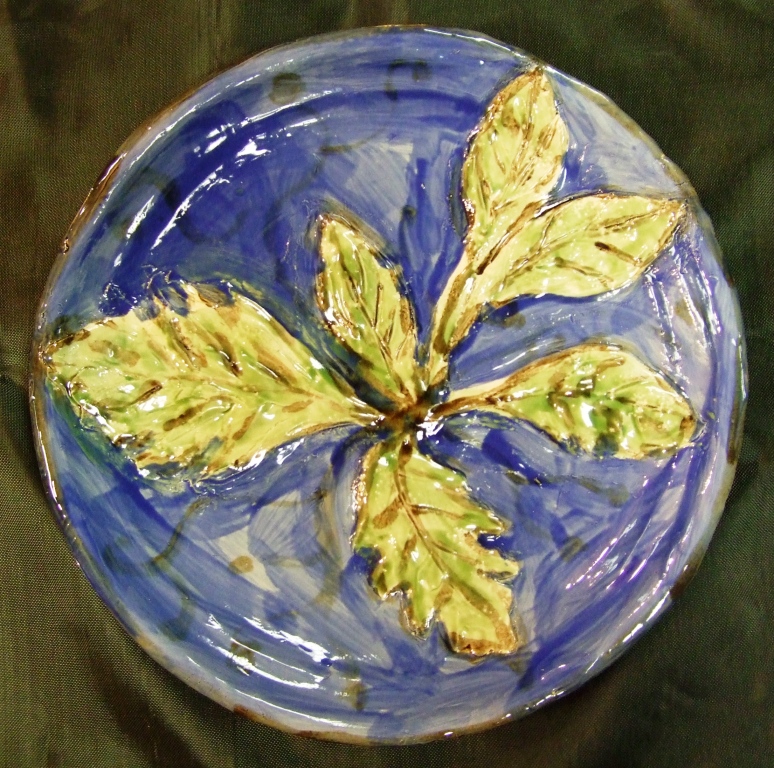
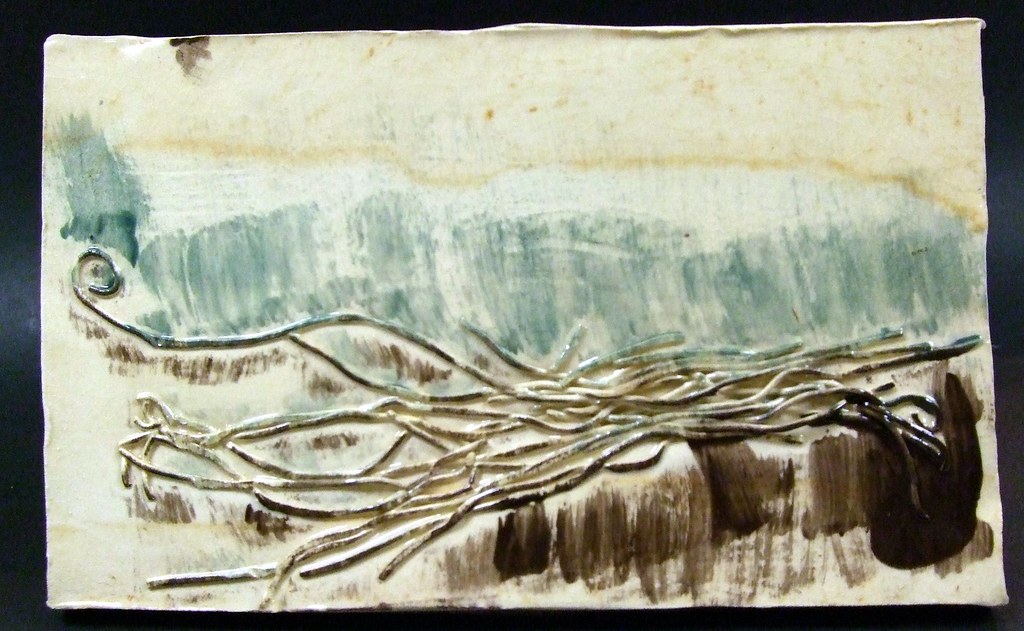
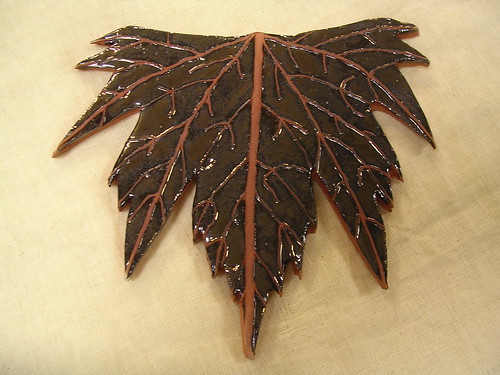 The illustrated leaves were fairly chunky items carved from nearly leather-hard clay by Catriona Wright. The veins on one were carved in intaglio whereas on the other they were moulded in relief, using D-section extruded clay.
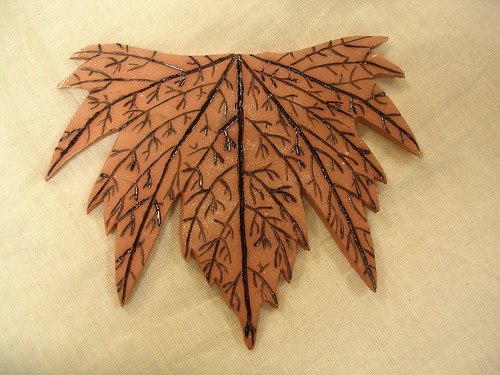 After glazing they were rather more impressive than in my photos, and suggested several avenues for exploration of the theme; for example, embedding a series of them (perhaps on a smaller scale) as a mosaic in a sheet of clay.

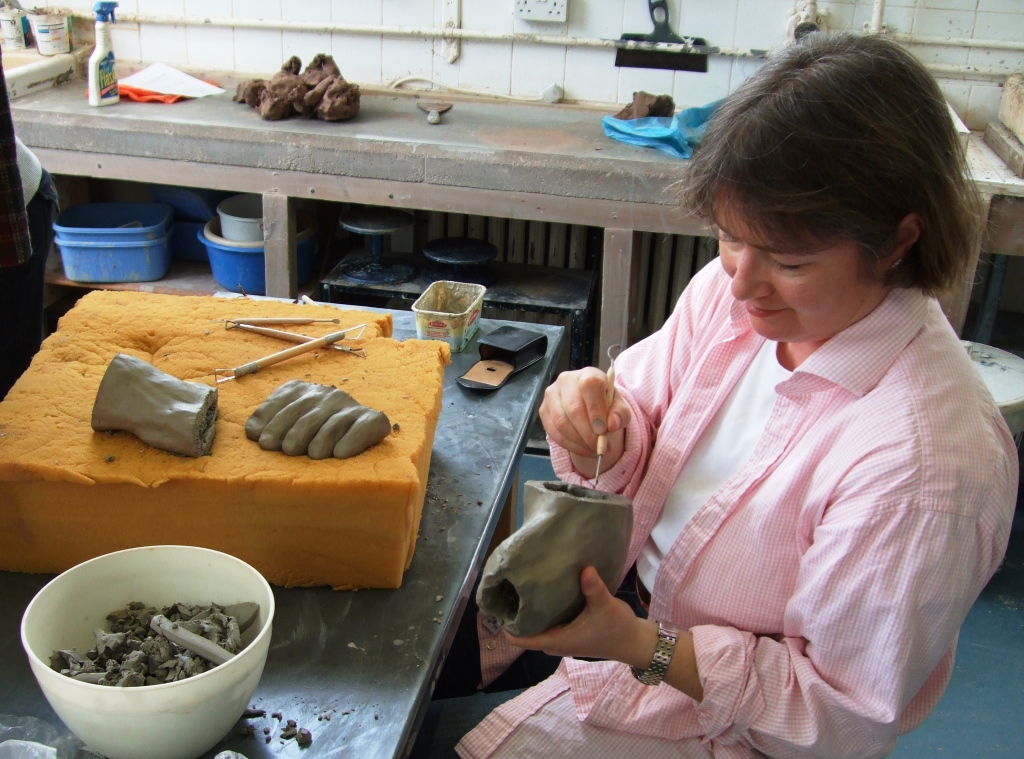



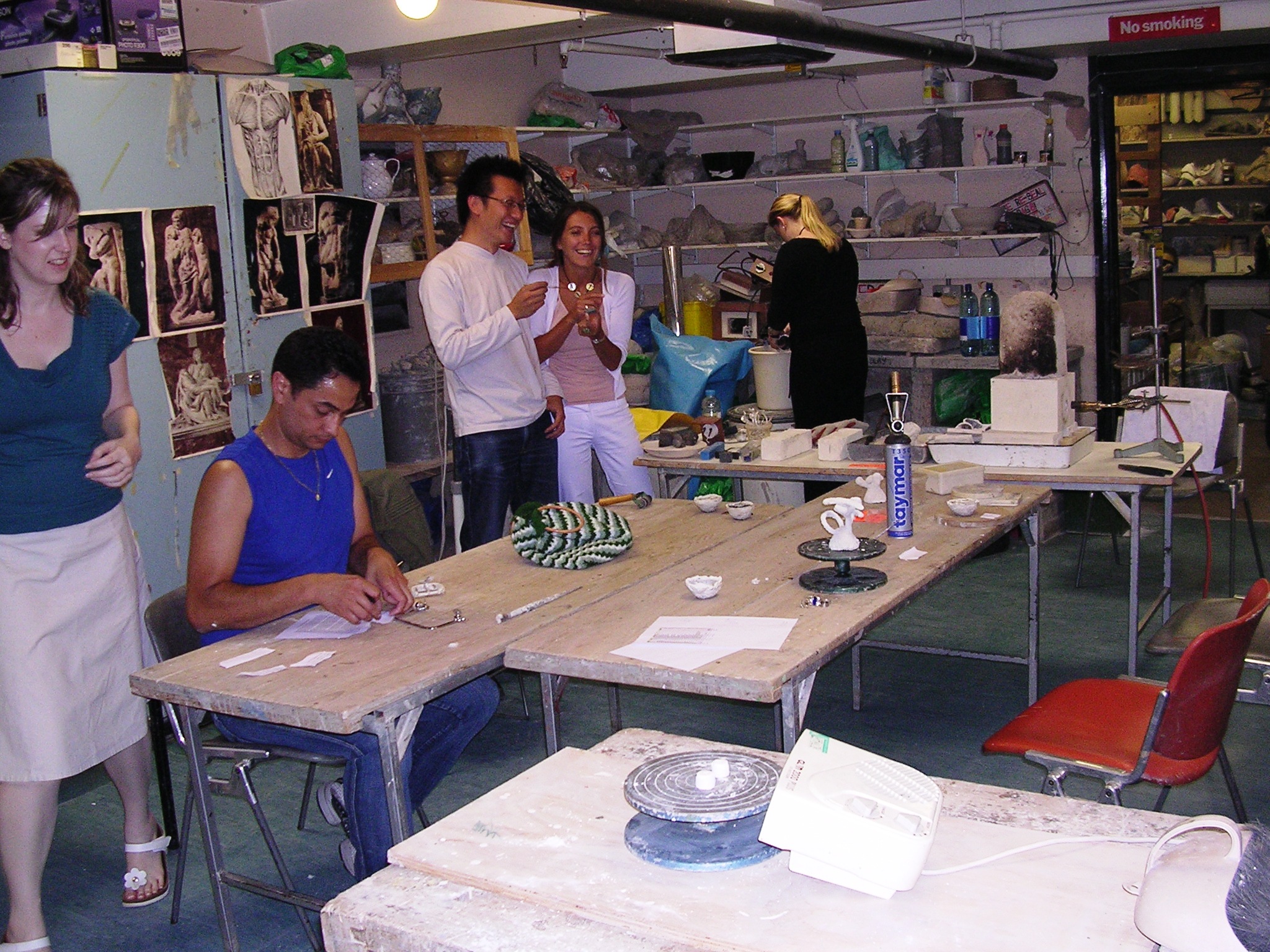 This is a jewellery design course under way in our art room, and if nothing else, serves to show that I have no good photos of the place in which I have spent so many years!
The second picture is of the small furnace in use, with the larger dome replaced with a smaller fibre 'hat' for casting smaller items.
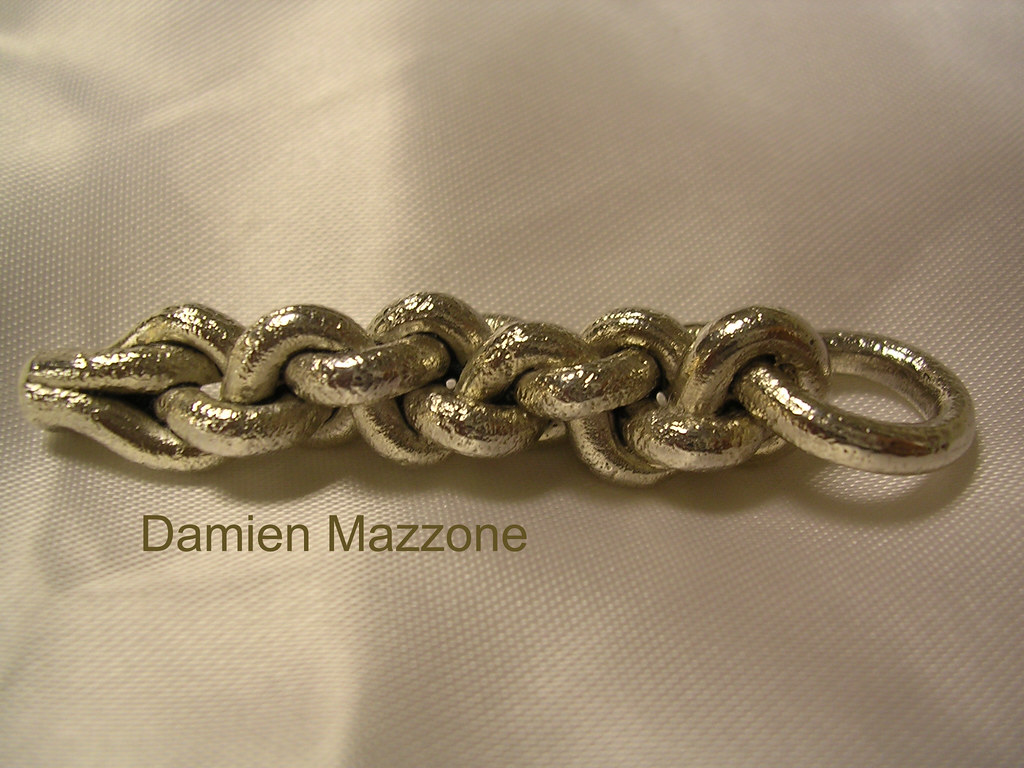 The maker here, Damien Mazzone, was trained as a mechanical engineer and worked for Ford's of Dagenham as a designer. When I next ran into him a year or two later,
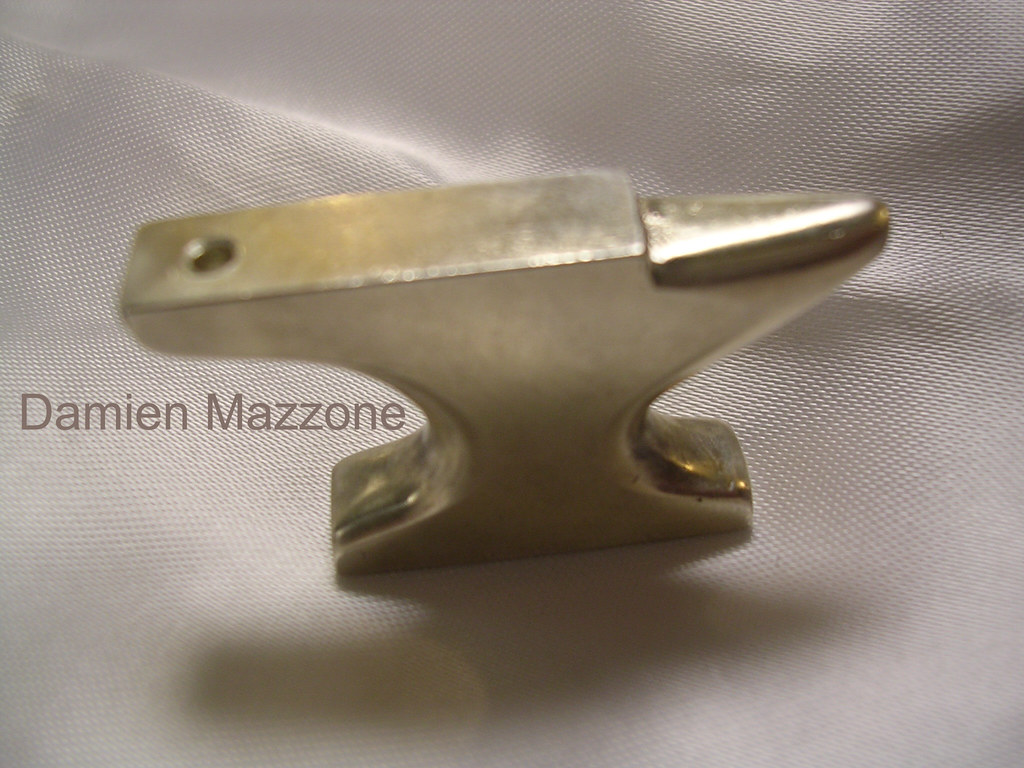 he had become a graphics designer instead, leading me to feel that it was another example perhaps of the migration away from craft and trade environments to office jobs. Both of the pictured items were made in wax first, then cast into sterling silver. The anvil measures about 2.5" long, and the chain perhaps 3".
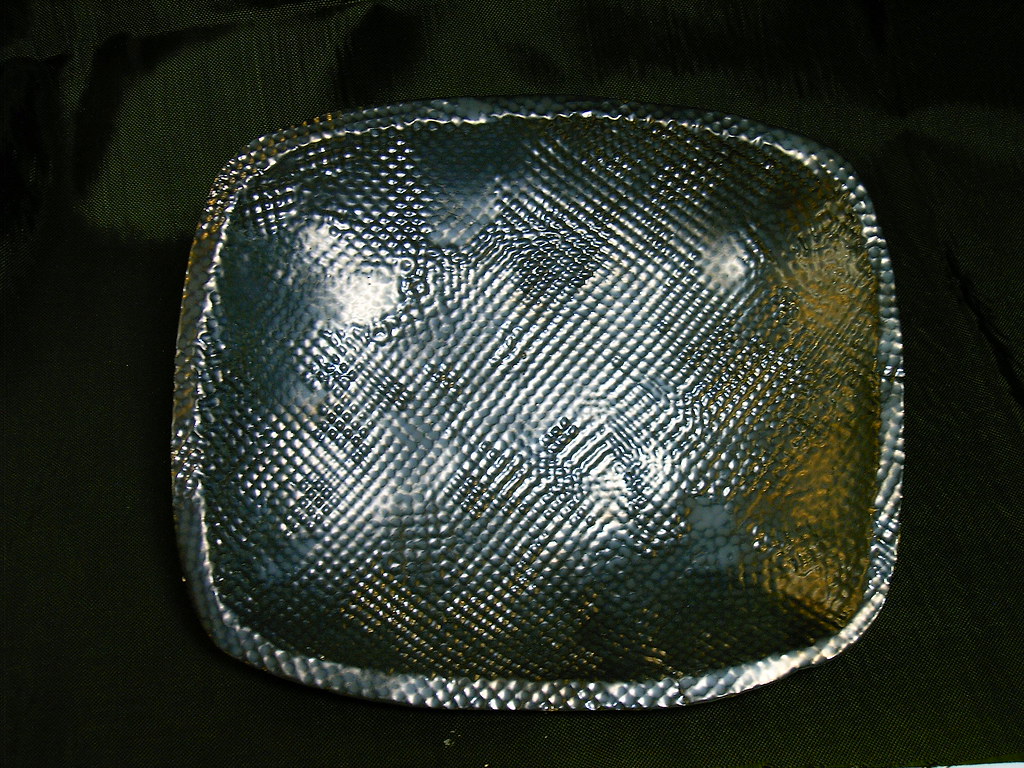
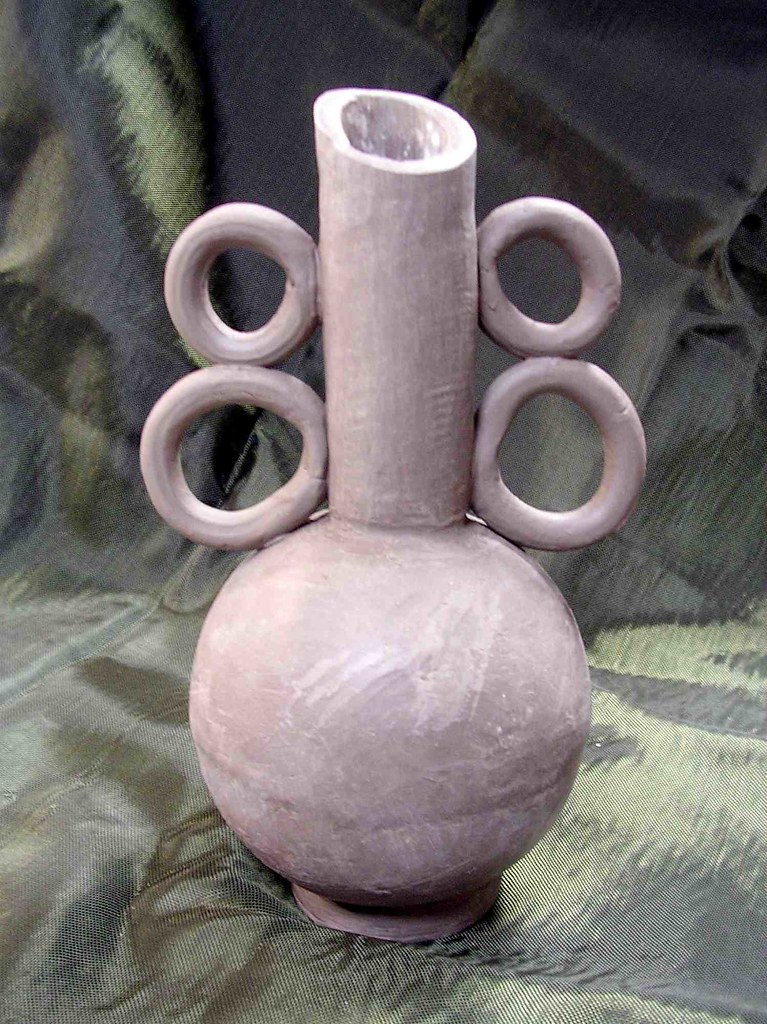
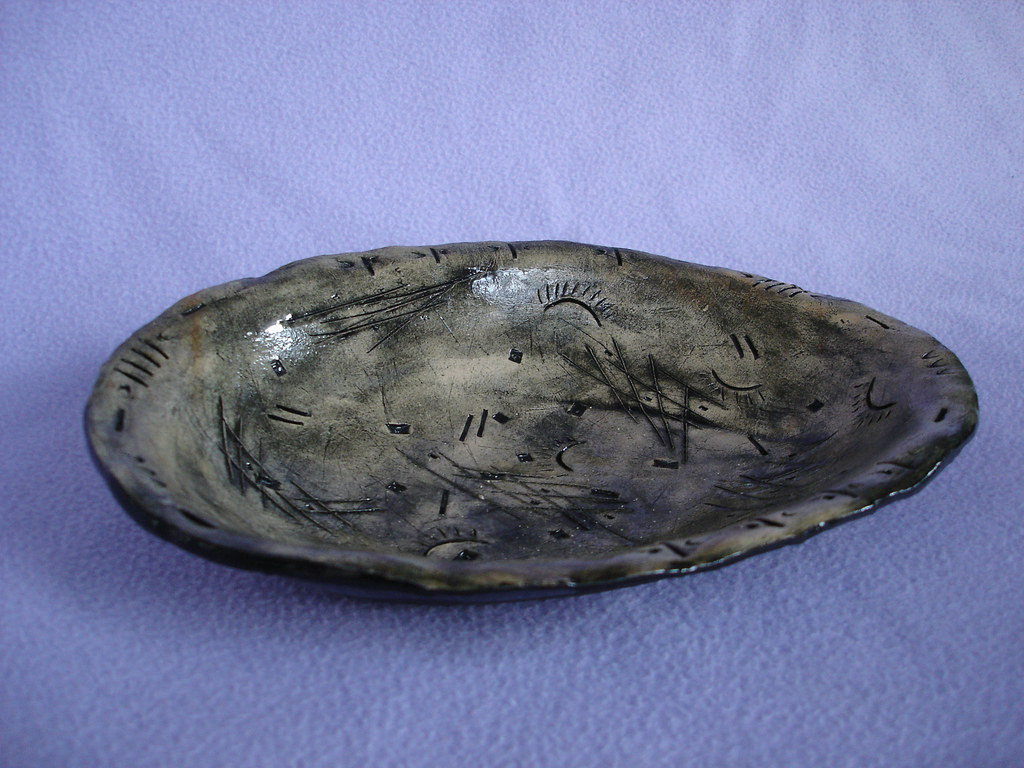
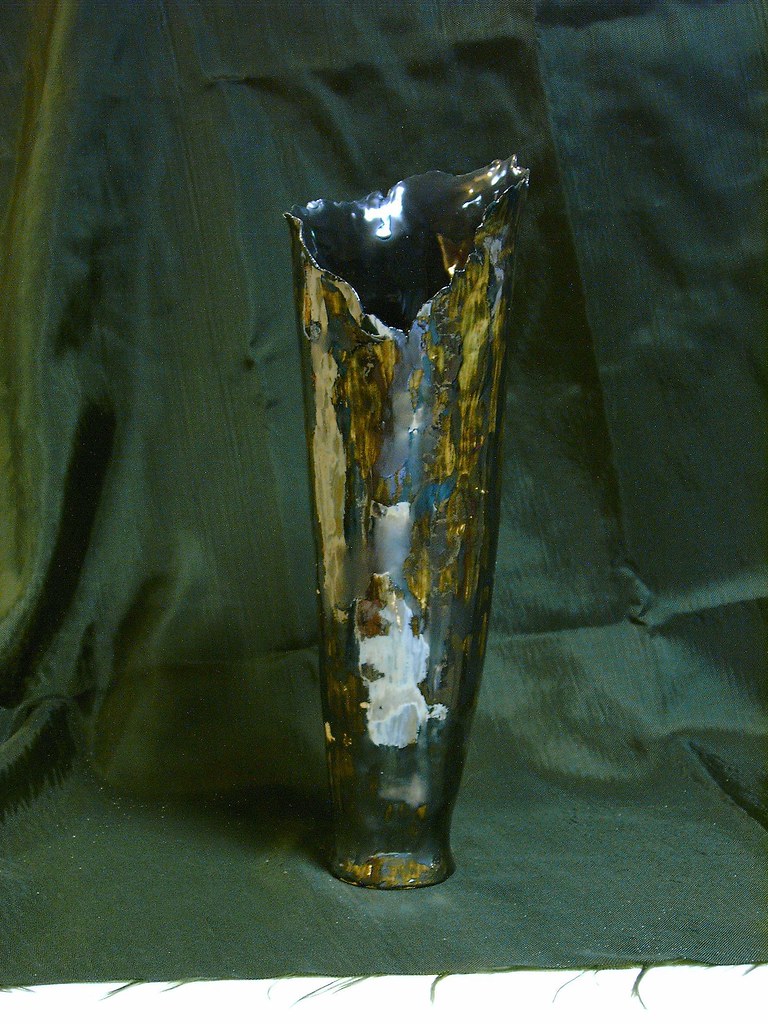 The two dark metallic-looking bowls were made by Melissa, a Thai woman who worked for the John Lewis Partnership, a couple of years ago. Both have been glazed with a pewter glaze, but additions of clear glaze and oxides have helped to transform them.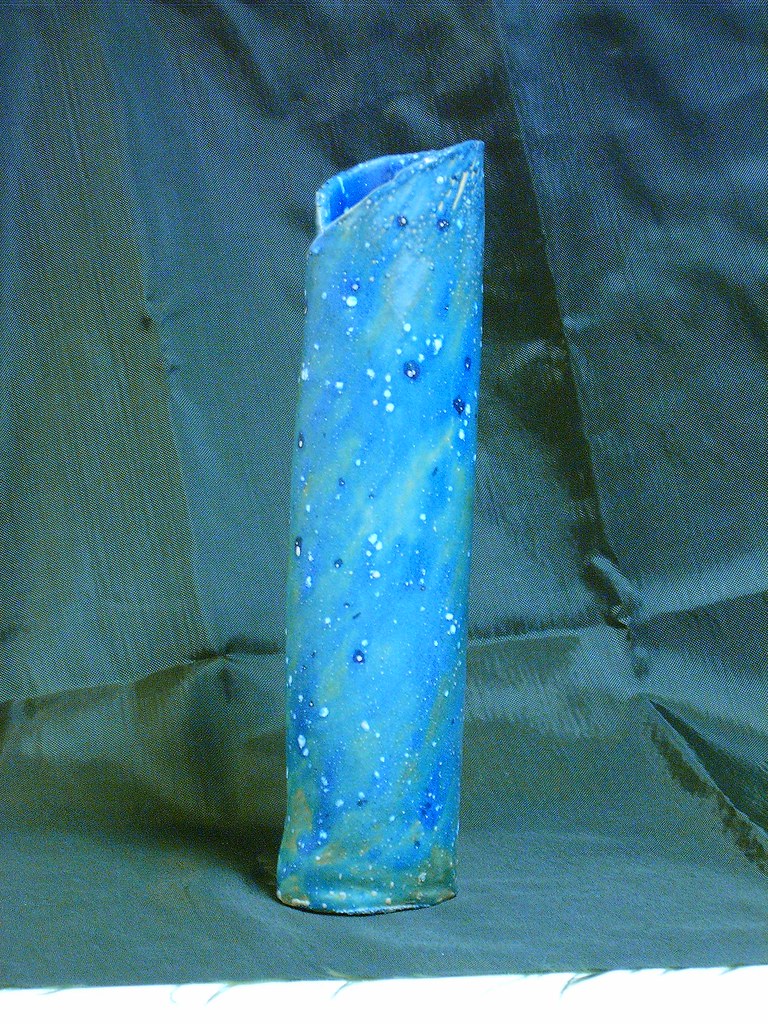

I also have John to thank for a series of photos of the ceramic shell process, taken on one of my courses.


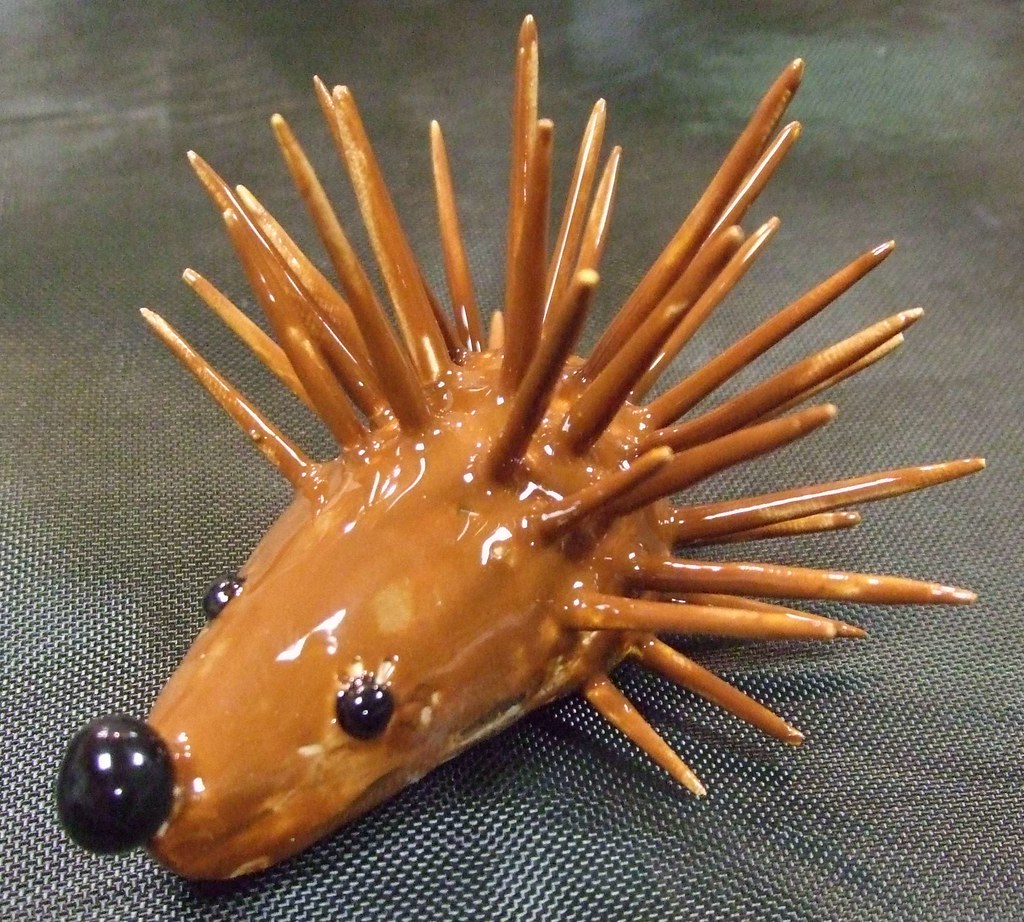
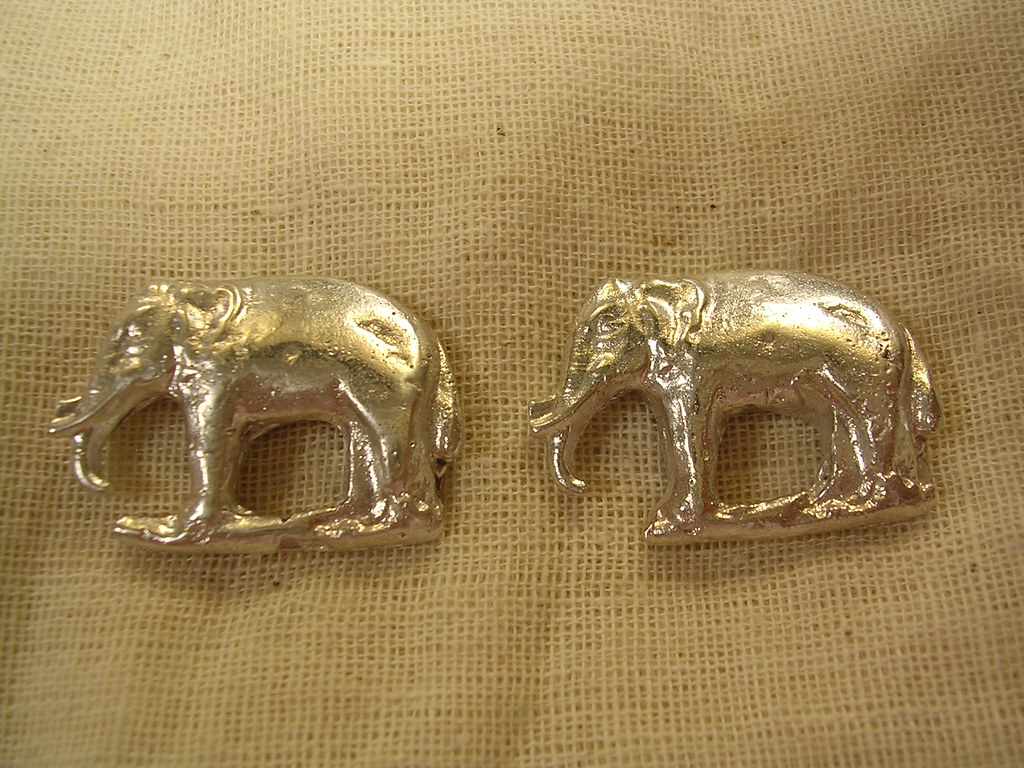
 After she was satisfied with the general design of the elephant, she attached it to a wax crucible (the pink upside-down bowl shape), then covered it with ceramic shell (a fire-proof coating).
 Finally the wax was burnt out, and molten pewter poured in. After being allowed to set and cool down, the shell was broken apart to remove a nice shiny silver creature! Who's name is pink! Strangely, the maker claimed to have 'no making skills whatsoever'.
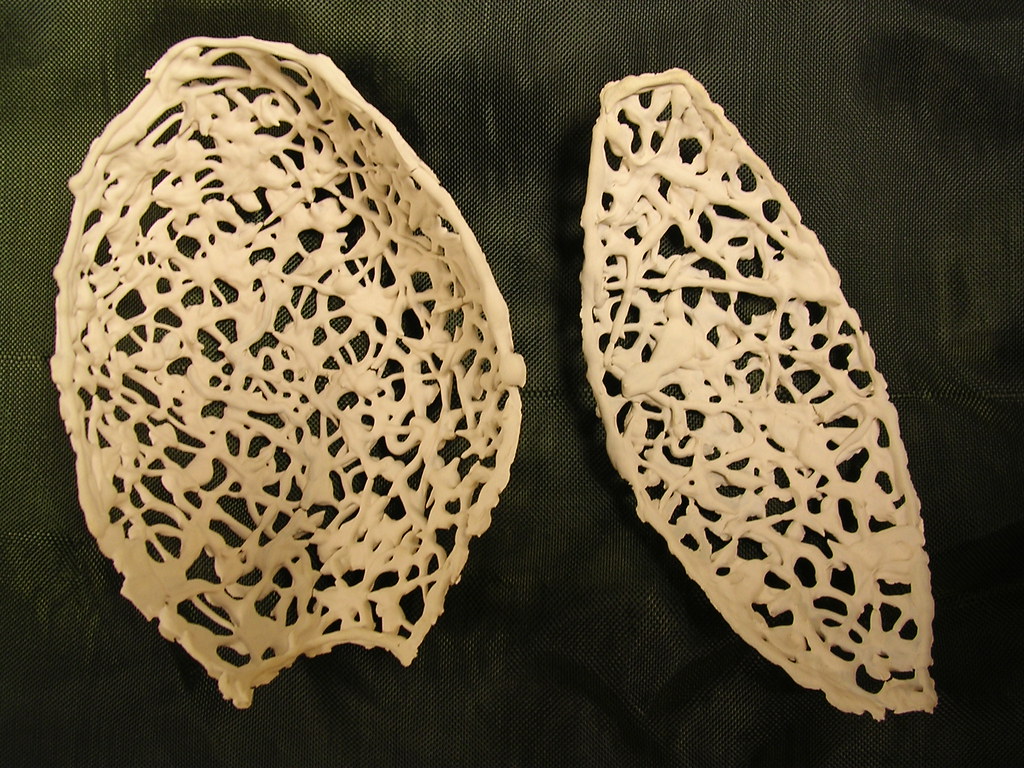
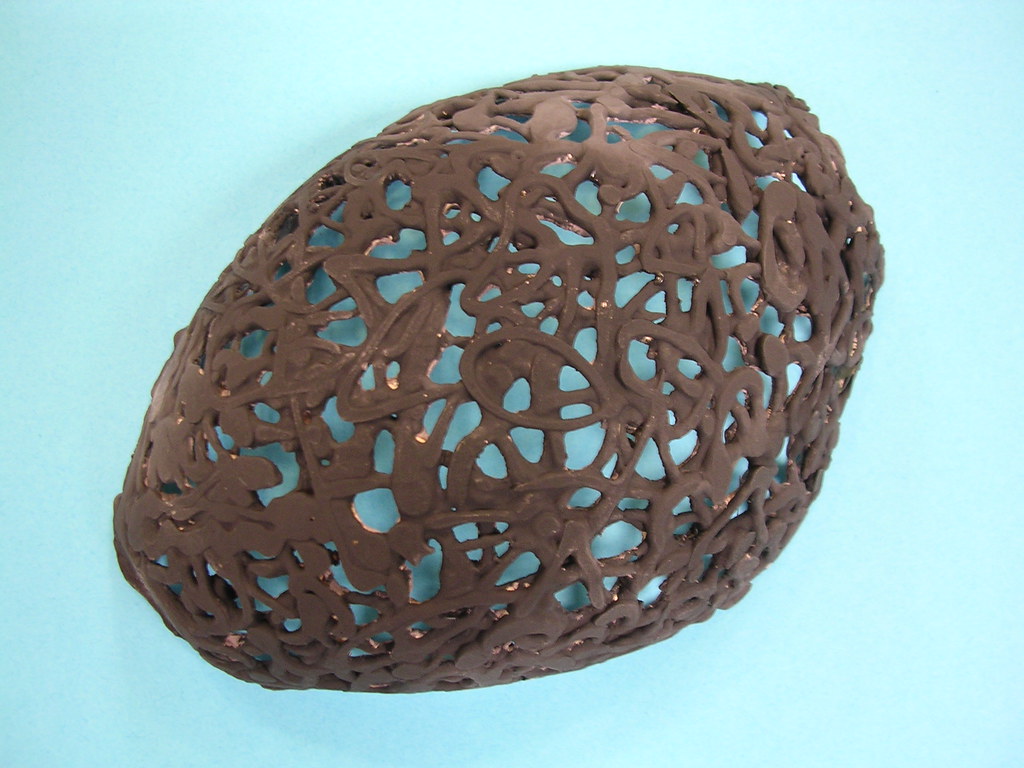
 The critically delicate framework left behind was fired, then coated with pewter glaze and fired again.

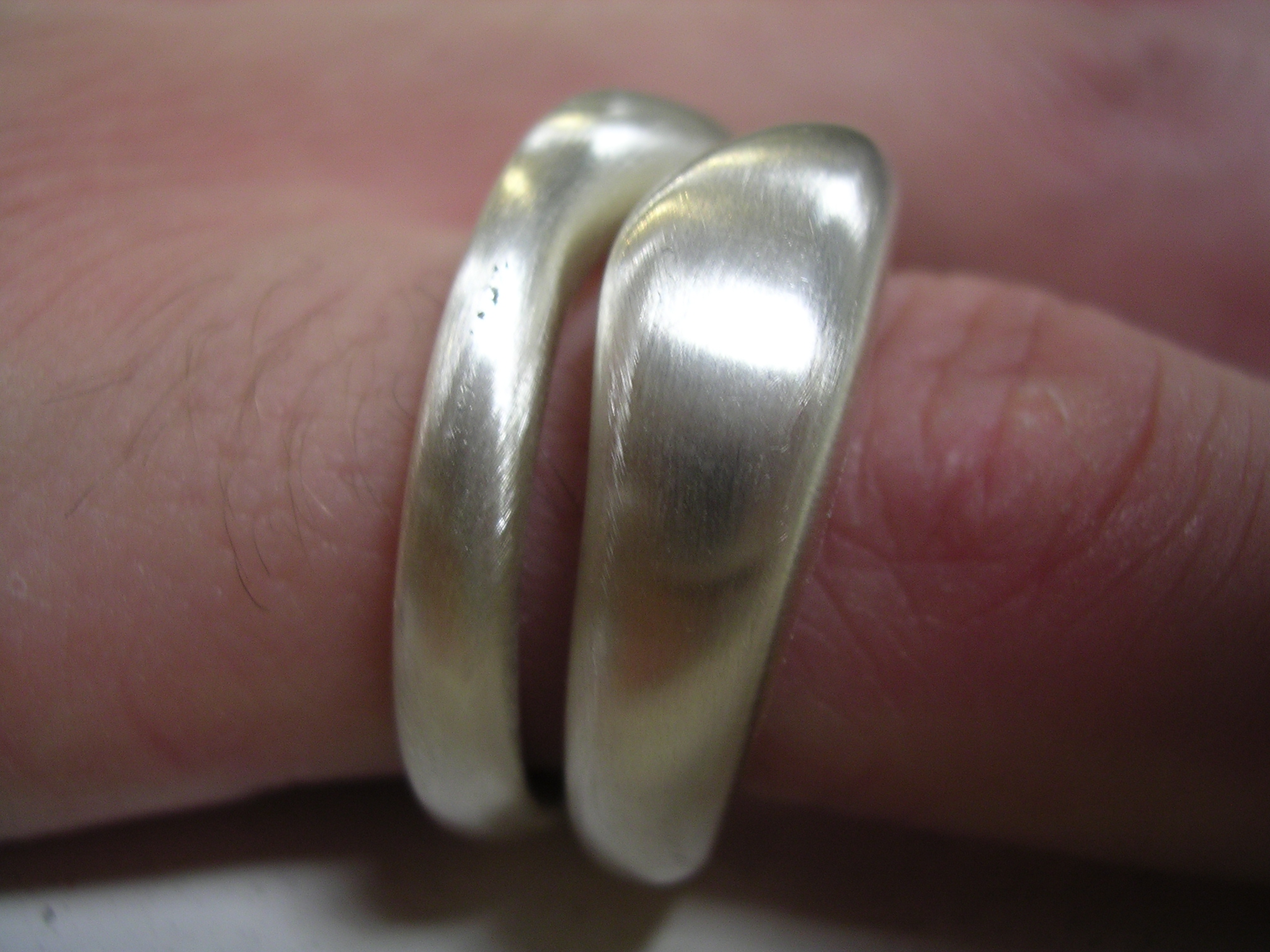 Ben's profession as a psychoanalyst would not necessarily have led you to expect the precision skills he displayed when making various items in the silversmithing class he attended; but he told me his surname pointed to a family tree of people accustomed to using their hands and tools.